Key Factors Rental Companies Consider When Investing in MEWP Equipment

Barb Canibano • September 18, 2026

Share this article

What Actually Drives Fleet ROI


Working height, platform capacity, and purchase price matter, but they are only part of the equation. The real value of a rental machine lies in its ability to support utilization, profitability, and long-term fleet performance. 

Construction equipment display booth with red machinery, LCMG sign in a warehouse with boxes

When rental companies decide to replace and/or expand their mobile elevating work platform (MEWP) and telehandler fleets, the primary objective is simple: generate more revenue. 


While equipment specifications need to meet customer demand, that is only the starting point. New or replacement machines also need to create enough rental opportunities to justify the investment and remain productive without adding costs that erode margins. That means looking beyond platform height, equipment category and acquisition price. Rental fleet managers must consider how broadly a machine can be used, how easily technicians can maintain it and whether the manufacturer behind the equipment can provide the support needed throughout the machine’s lifecycle. 


“When you’re buying for a rental fleet, you have to look at the whole life of the machine,” said Craig Paylor, president of LGMG North America. “Utilization, maintenance, downtime and support all affect the return you ultimately get from that investment.” 


A strong fleet addition usually comes down to a few fundamentals: 

  • Strong utilization potential 
  • Efficient service and maintenance 
  • Practical technology 
  • Responsive manufacturer support 

 
Choose equipment that you can keep on rent 

One of the first questions to ask when evaluating a machine is: How often can I rent it? 


The answer has a major influence on the financial success of the investment. Strong utilization generates revenue, accelerates return on investment and helps maximize the value of every machine in the fleet. 


Utilization can be particularly important during the earlier years of a machine’s life, when demand and earning potential are often at their peak. Rental opportunities lost during that period can be difficult to make up later as equipment moves further through its lifecycle. 


Versatility plays a relevant role in keeping utilization high. The more applications a machine can support, the more opportunities it has to stay on rent. Fleet owners often prioritize equipment that can work across a broad range of jobsites rather than models limited to a narrow set of applications. 


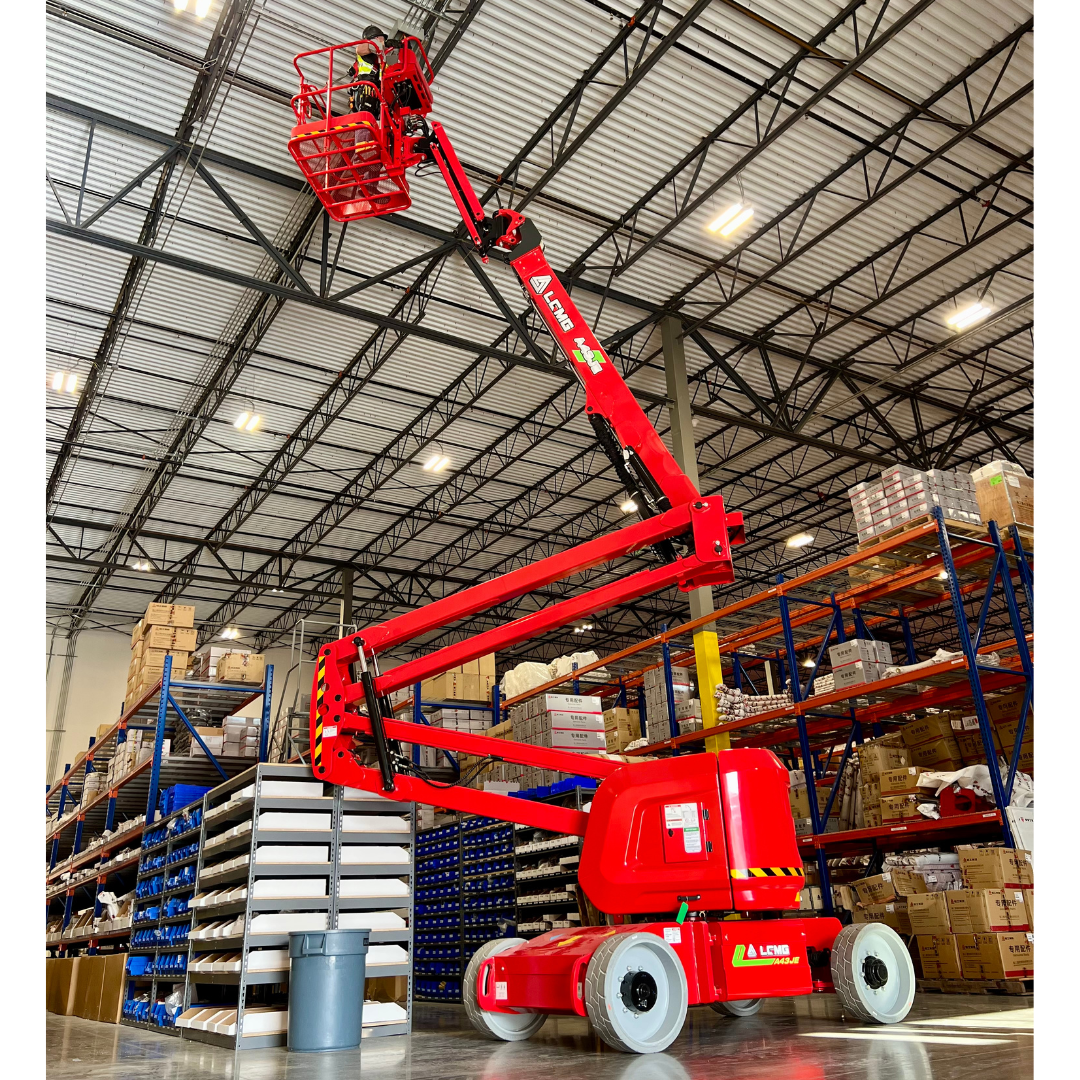
A good example is the LGMG A43JE electric boom lift. Delivering nearly 45 ft of reach from a compact 4 ft 11 in wide chassis, it is one of the narrowest machines in its class with this level of reach while offering quiet operations and zero emissions. This combination allows rental companies to rent it for space-restricted jobsites where traditional models may be too large. The result is a machine that can create additional rental opportunities while supporting higher utilization rates and a stronger return on investment. 


The same principle applies to smaller equipment. Compact slab scissor lifts remain among the most versatile machines in many rental fleets because they can support a wide variety of indoor applications. The LGMG S1932E, for example, combines the reach required for everyday indoor work with a compact footprint. This versatility helps create rental opportunities across a broad range of commercial and industrial applications. 


Prioritize machines your technicians can support efficiently 

High utilization, however, creates its own challenges. The longer a machine stays on rent, the more operating hours it accumulates and the more wear its components experience, all while there may be less time available for planned maintenance. At the same time, customers continue to expect reliable performance and immediate availability. 


Straightforward machine design and easy access to parts and components help technicians work more efficiently, reducing maintenance time and maximizing uptime. Responsive service support further accelerates repairs, while telematics systems, where available, can help identify and resolve issues much more quickly. 


“Rental companies need equipment that can handle repeated rental cycles and continue performing in demanding environments,” said William Courtney, director of product support and service for LGMG North America. “That’s something LGMG focuses on throughout the design process. Many of our machines come standard with features such as the Hostile Environment Kit that help shield key components from dust, debris and other jobsite conditions that can accelerate wear. Our goal is to build equipment that stands up to real-world rental use, helping customers maximize uptime.” 


Make sure the technology is actually useful  


Technology can add real value when it helps reduce troubleshooting time, improve machine performance or prevent unplanned downtime. It becomes less valuable when it adds cost and complexity without making the equipment easier to operate or support. 


The right balance will vary by machine and application. A compact electric scissor lift working inside a warehouse has different requirements from a large boom working outdoors on a construction site. In either case, features should have a clear purpose for the operator, technician or rental business. 


LGMG’s approach has been to favor proven technology and practical machine design rather than adding complexity for its own sake. With skilled technicians already in short supply, equipment that can be understood, diagnosed and supported efficiently can be a real advantage. 


Choose a manufacturer that can become a trusted partner 


While rental companies’ service teams handle most routine maintenance and repairs, there are times when additional expertise is needed. That is where the manufacturer relationship becomes part of the value of the machine. 


Rental companies need a clear path to technical assistance when questions or problems arise. Effective training, responsive communication, knowledgeable support teams and readily available parts all contribute to faster diagnostics, more efficient repairs and quicker returns to service. 


LGMG North America supports customers with local parts availability, technical phone and email assistance, regional service representatives and field support when needed. 


Earning its place  


The strongest MEWP in a rental fleet is not always the machine you have been purchasing for years. It is the machine that fits the work customers are doing, creates opportunities to stay on rent and remains practical to operate and support over time. 


Recent Posts

By Barb Canibano • September 14, 2026
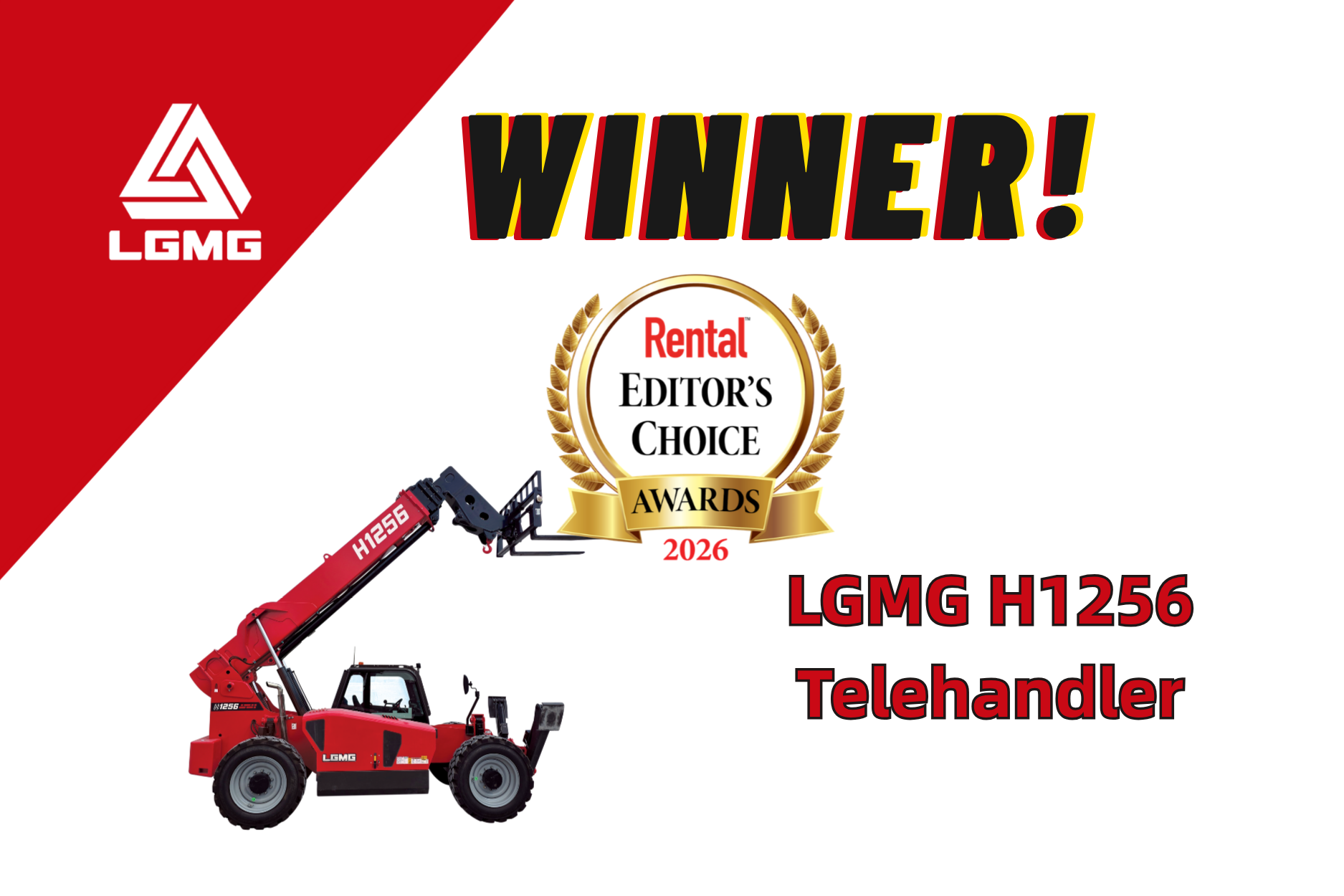
red LGMG H1256 telehandler with a Rental Editor's Choice Award 2026 logo
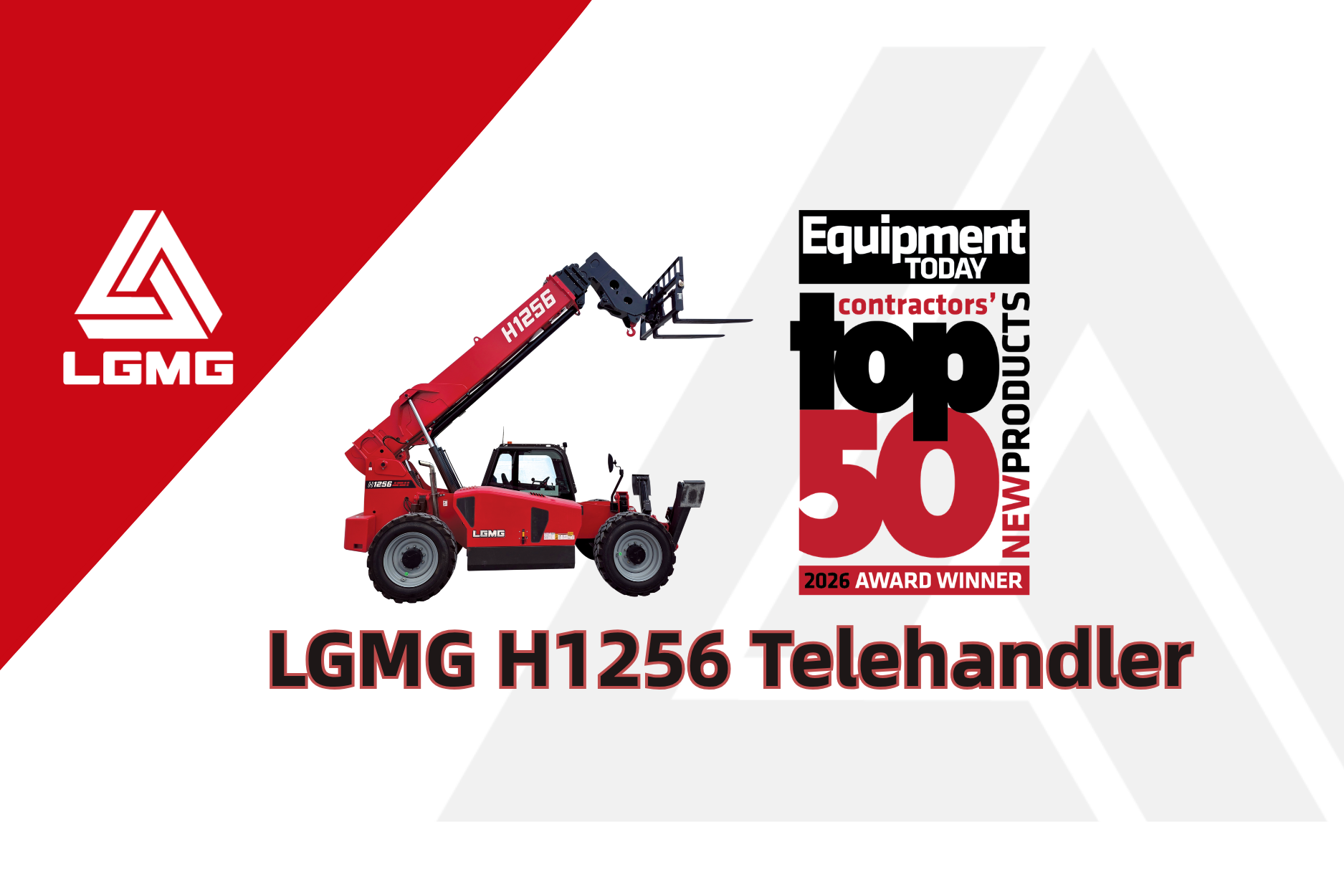
red LGMG telehandler H1256 a graphic for Equipment Today's Contractors' top 50 new products
By Barb Canibano • September 4, 2026
LGMG H1256 telehandler named to Equipment Today’s 2026 Contractors’ Top 50 New Products
By Barb Canibano • August 24, 2026
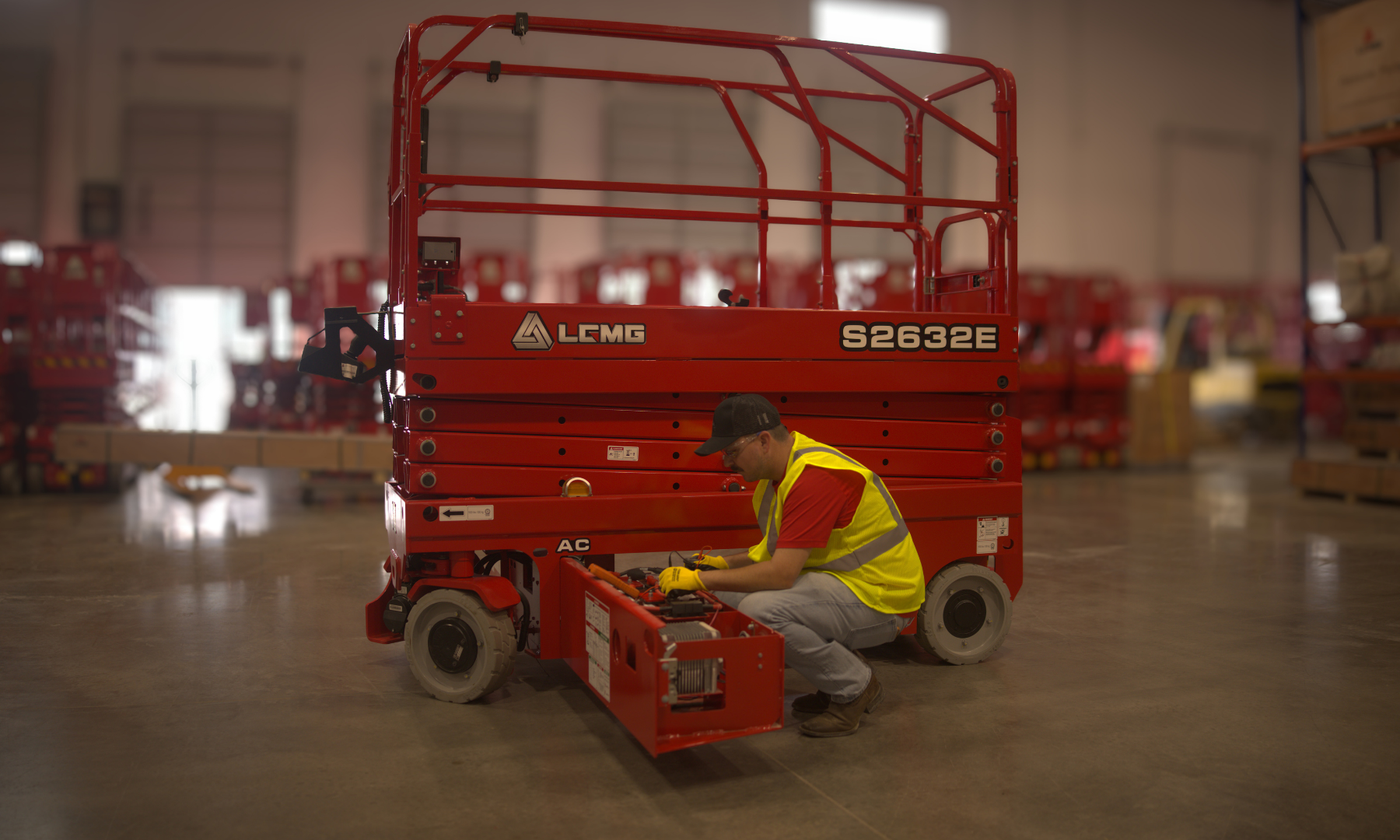
Uptime Starts With Serviceability Ultimately, uptime is not just about whether a machine stops working. It is about how quickly that machine can be diagnosed, serviced and returned to work. Uptime is everything in rental. Rental companies depend on it, contractors expect it and project schedules demand it. As construction schedules tighten across North America and more large-scale projects move forward, equipment uptime has become one of the clearest measures of machine value. But uptime is not only about whether a machine is built to perform. It is also about what happens when that machine needs attention. Every machine requires service. Components wear, issues need to be diagnosed and parts eventually need to be replaced. For rental companies, the real question is simple: How quickly can a technician identify the problem, access the right components, complete the repair and return unit to rent-ready status?  That is why serviceability, repair speed and parts availability deserve the same attention as machine specs, performance and purchase price. A machine that looks good on paper but creates service headaches can increase shop time, reduce utilization and make it harder for rental companies to keep equipment earning.
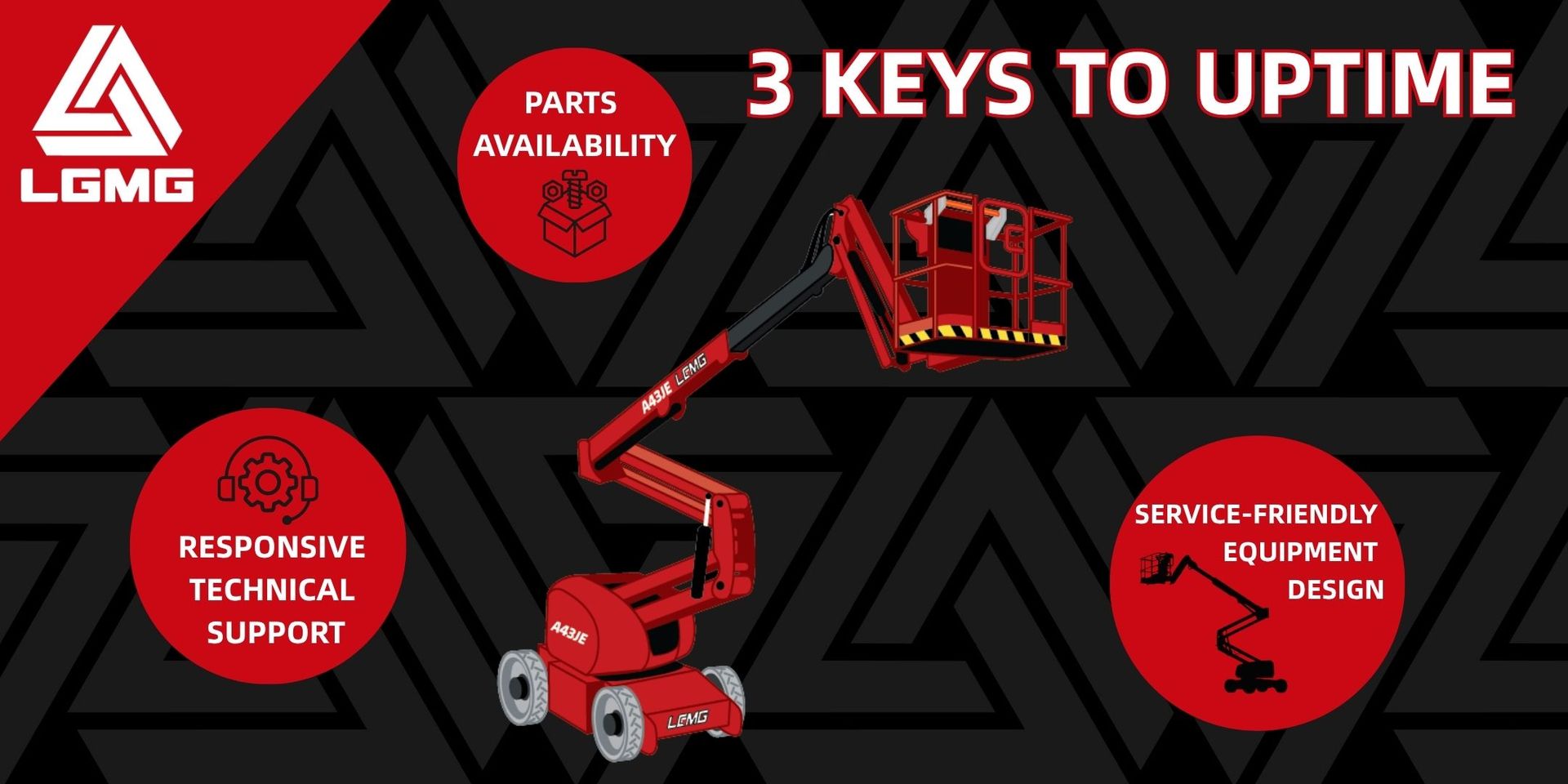
LGMG graphic titled “3 Keys to Uptime” with red equipment and callouts for parts availability, service, support, and uptime.
By Barb Canibano • July 23, 2026
How strong service support helps protect rental equipment utilization:  Uptime is one of the most critical performance measures in the rental industry. When a machine sits in a repair bay instead of the rent-ready line, fleet availability is immediately affected. This can lead to higher transportation costs, increased labor demands, added strain on shop resources and reduced responsiveness to customer needs. Ultimately, all of these factors have a direct impact on profitability and overall operating efficiency. Most rental companies have talented service teams that handle the majority of maintenance and repairs themselves. The manufacturer’s role is to support them when challenges arise—through technical expertise, parts availability, responsive communication and, when needed, hands-on assistance in the field.
By Barb Canibano • June 26, 2026
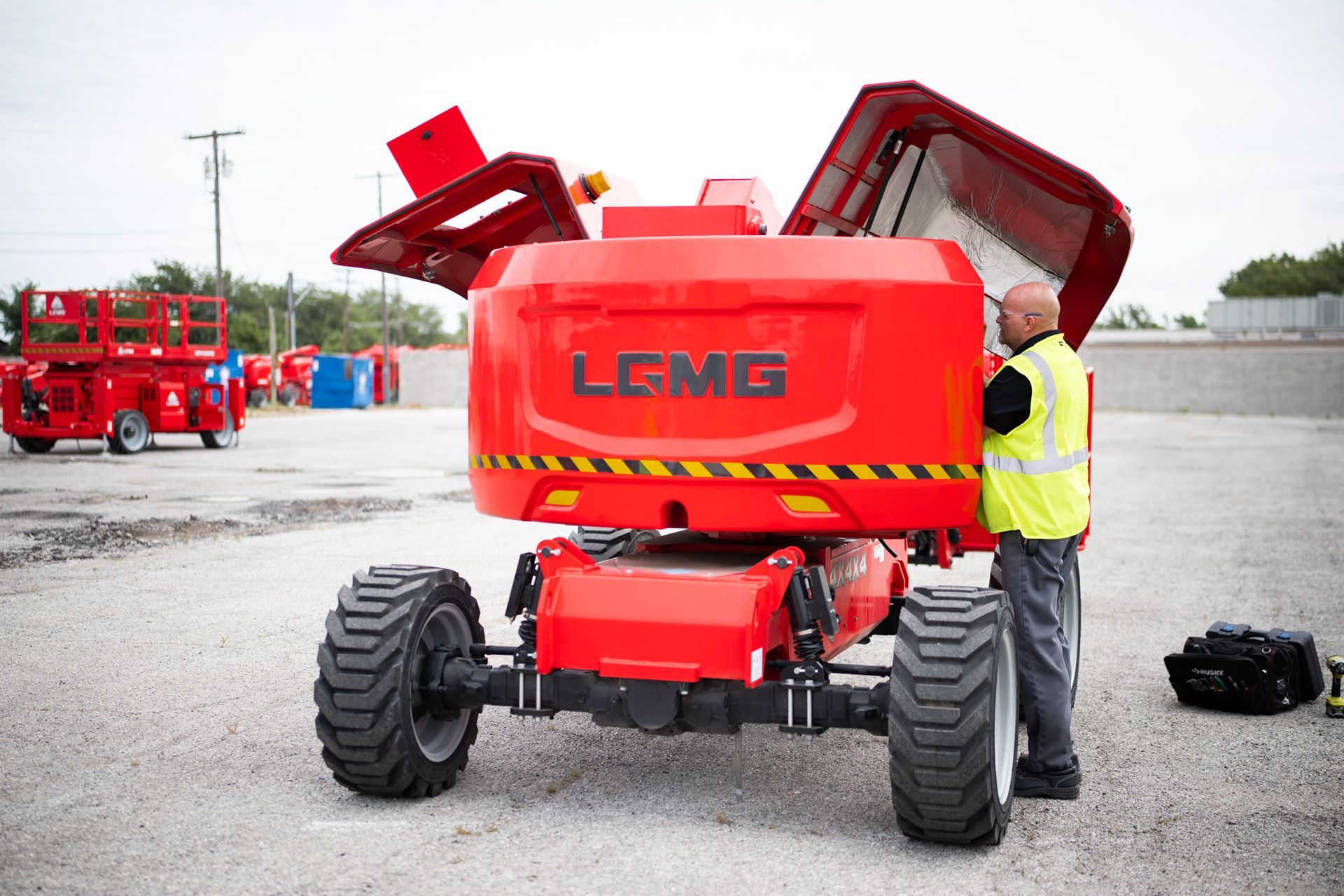
Discover how responsive manufacturer service support, technician training, and practical equipment design protect rental fleet utilization and reduce downtime.
Red rough terrain scissor lift towering over bleachers with scattered spectators under a cloudy sky
By Morgan Hamori • May 19, 2026
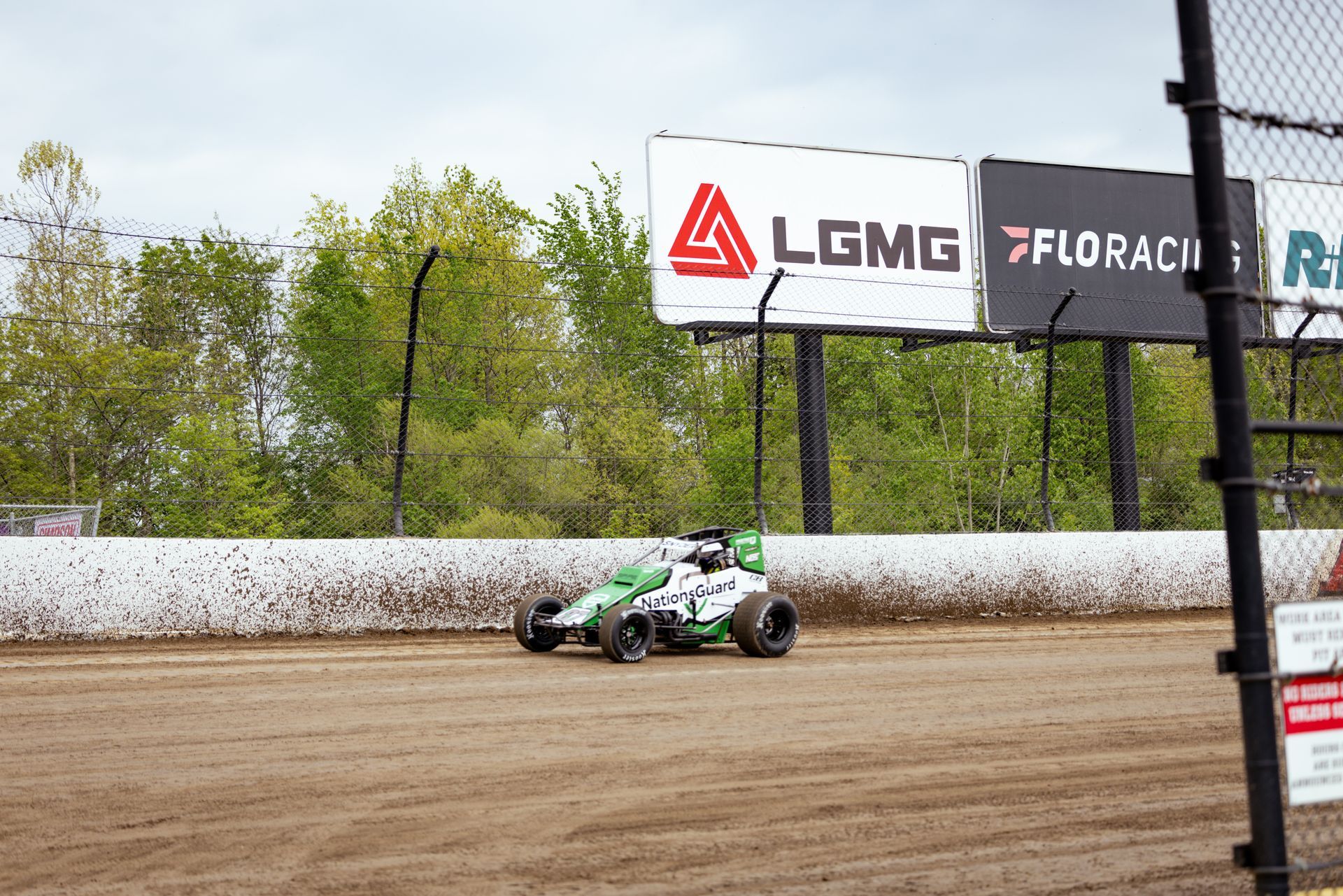
LGMG North America (LGMG NA) is partnering with Eldora Speedway for its 2026 season, supporting one of the most recognized venues in American dirt track racing. Held across multiple weekends from April through October in Rossburg, Ohio, the events draw thousands of fans.
Red telehandler with bucket on snowy road, person driving, near a fence.
By Morgan Hamori • March 2, 2026
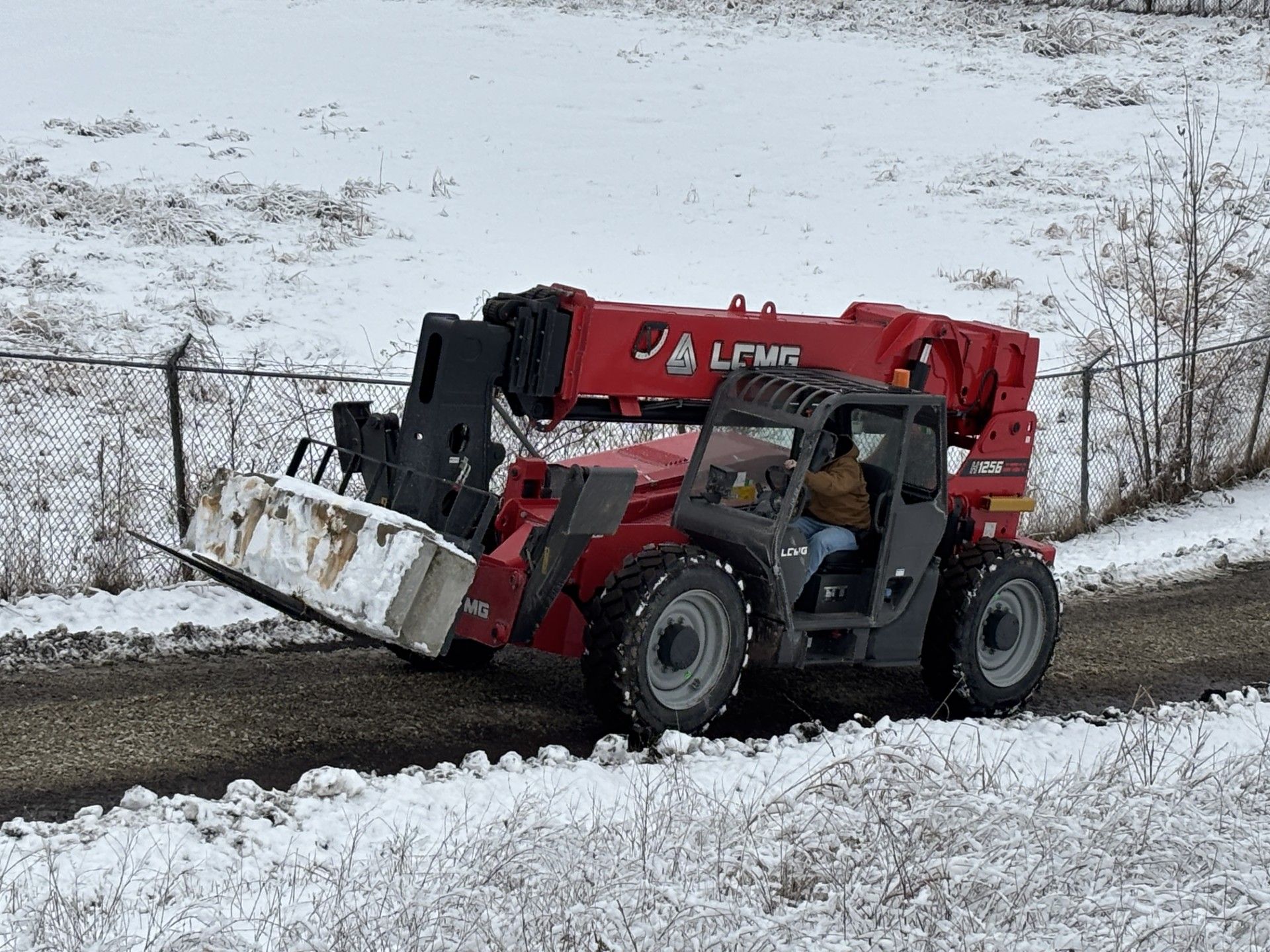
The high-capacity H1256 telehandler expands LGMG’s lineup for construction, industrial and infrastructure applications.
Worker on red scissor lift in warehouse, wearing a hard hat and safety vest.
By Morgan Hamori • February 26, 2026
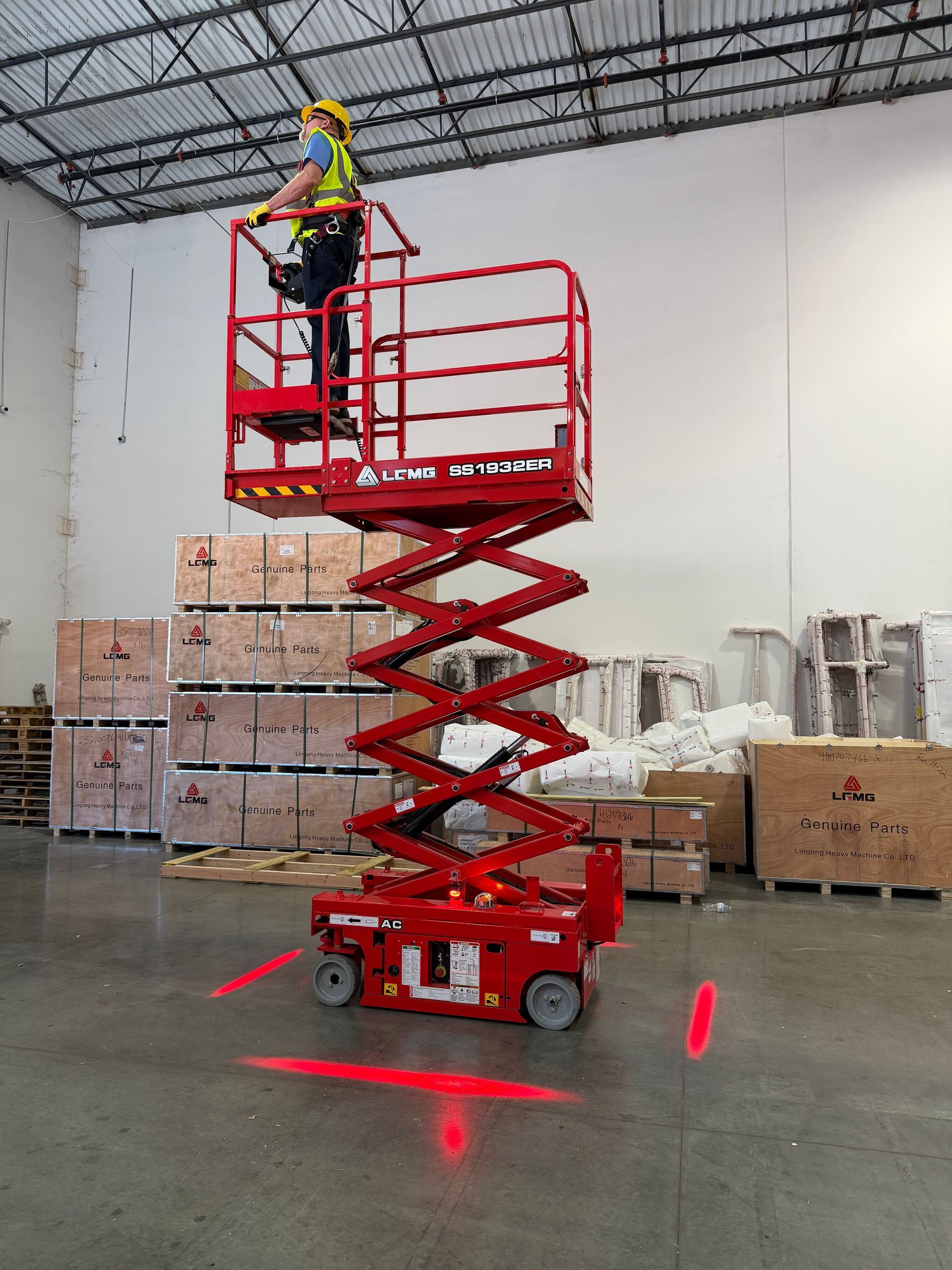
The SS1532ER and SS1932ER bring compact design and rental-focused ROI to tight jobsites, such as those found in the maintenance, construction and healthcare industries.
Construction equipment display booth with red machinery, LCMG sign, and people.
By Morgan Hamori • February 19, 2026
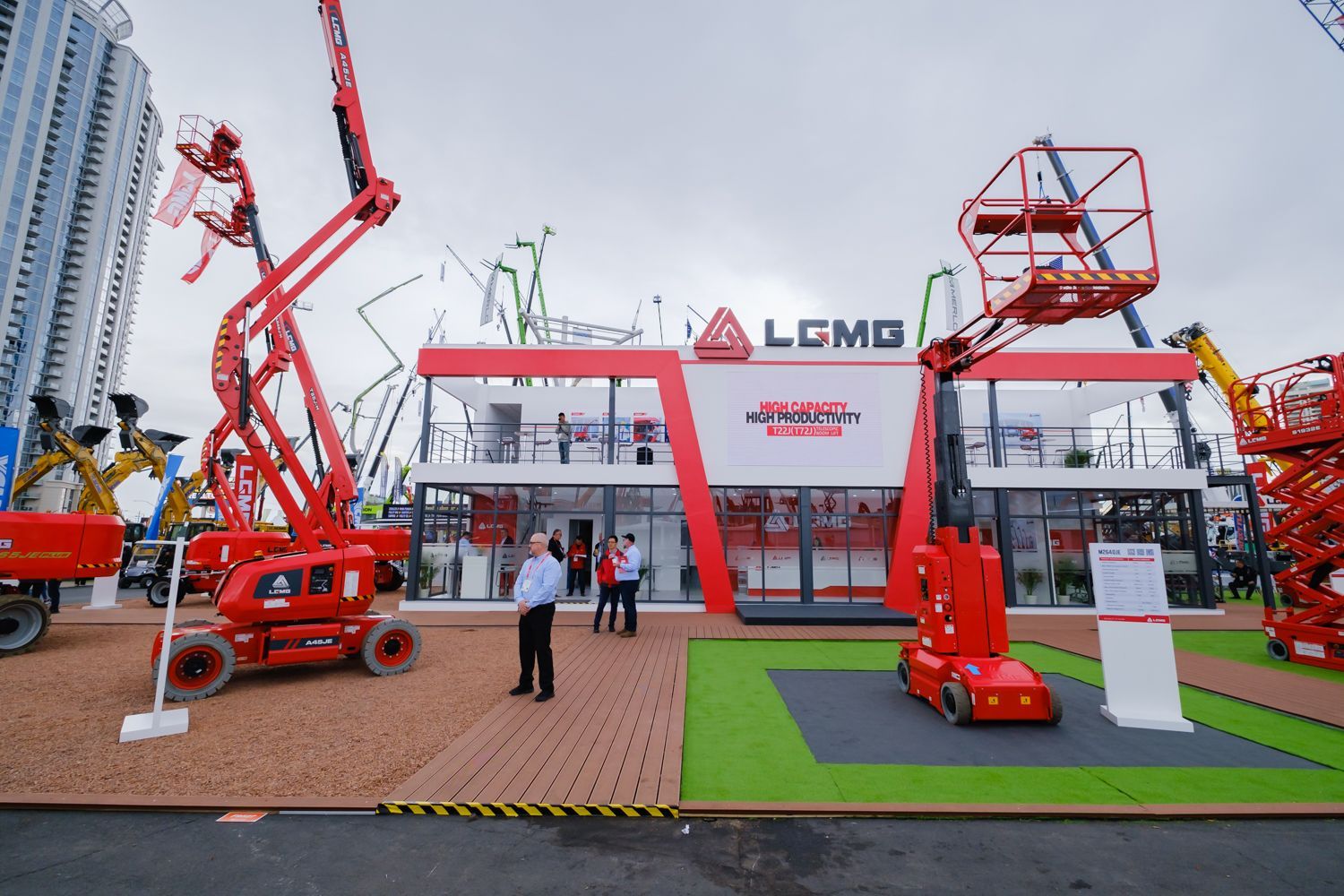
LGMG North America (LGMG NA) will use CONEXPO 2026 to reinforce its rental- first approach to the mobile elevating work platform (MEWP) and telehandler markets, highlighted by the launch of two new machines: the SS1932ER micro scissor lift and the H1256 telehandler.
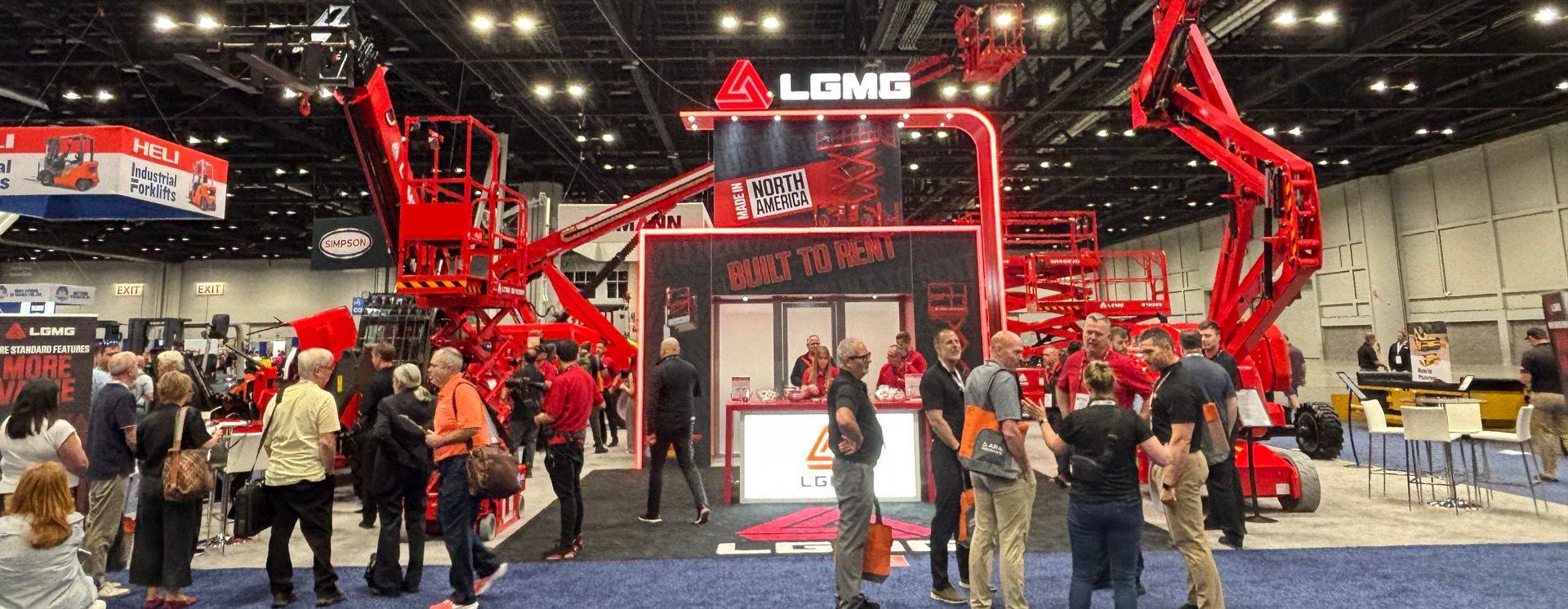
LCMG equipment display at a trade show with people gathered around. Red machinery, blue carpet, and a banner are visible.
February 17, 2026
LGMG NA launched the SS1932ER scissor lift & H1256 telehandler at The ARA Show. Contact us for reliable equipment tailored for rental fleets.
Show More