
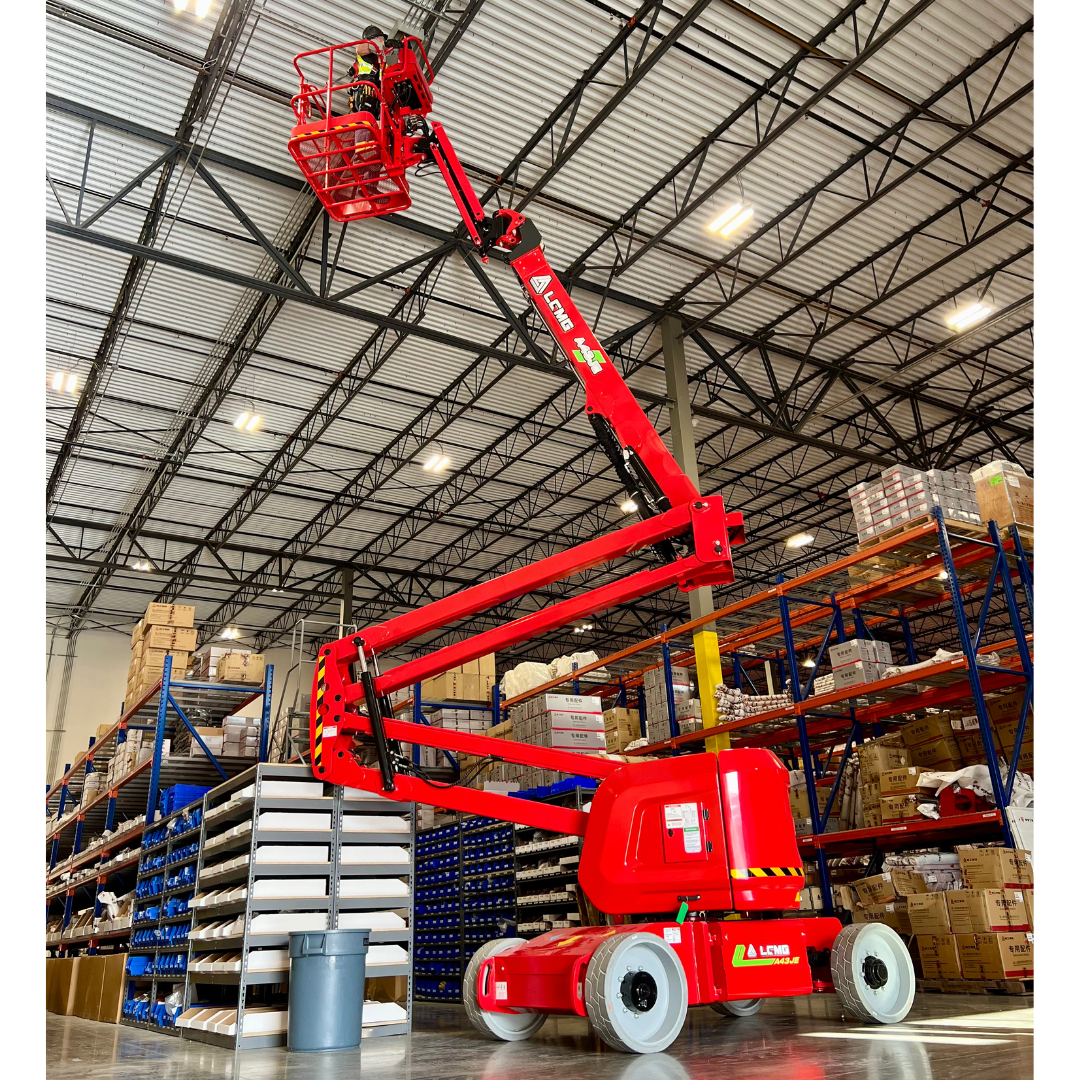
What Actually Drives Fleet ROI Working height, platform capacity, and purchase price matter, but they are only part of the equation. The real value of a rental machine lies in its ability to support utilization, profitability, and long-term fleet performance.
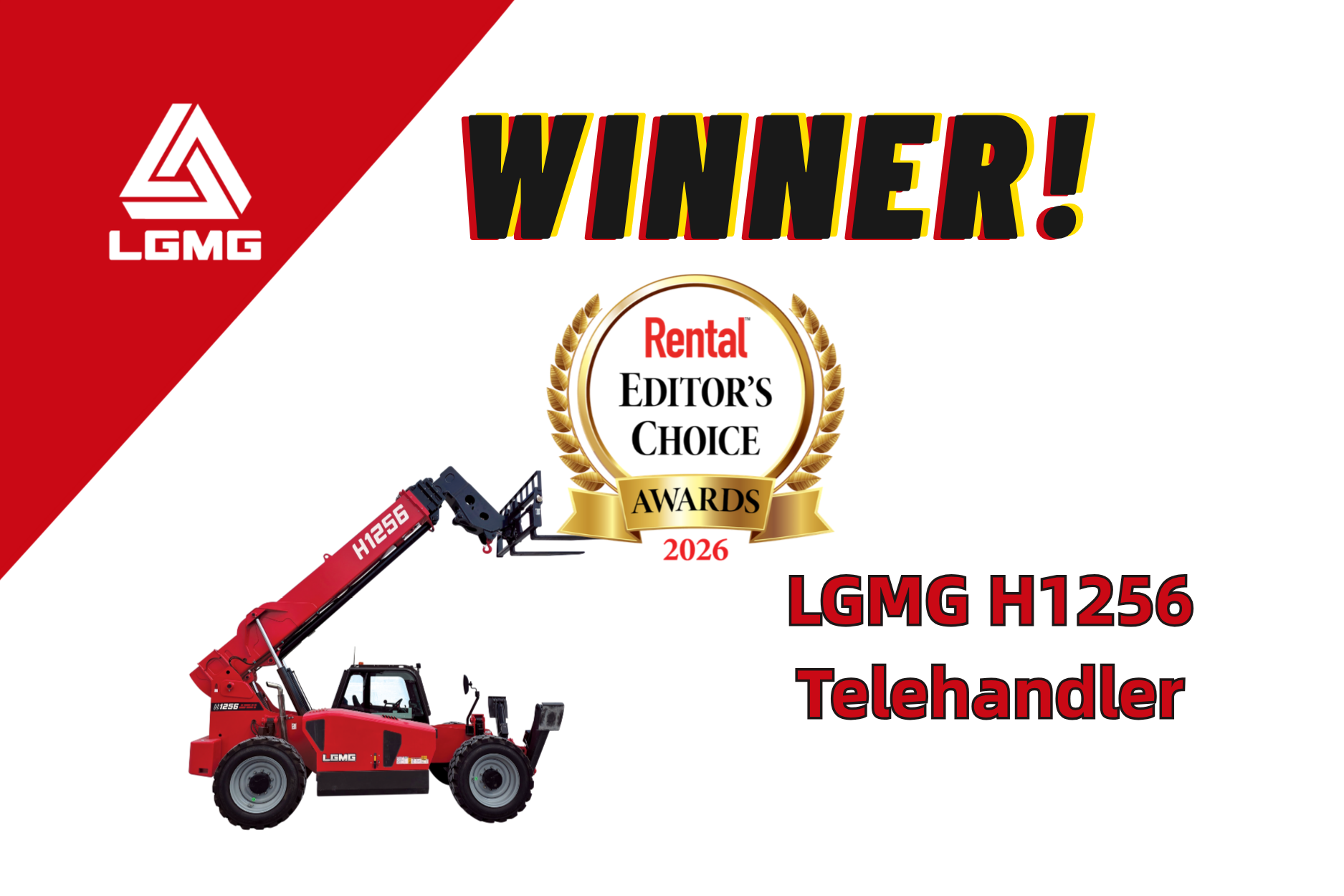
red LGMG H1256 telehandler with a Rental Editor's Choice Award 2026 logo
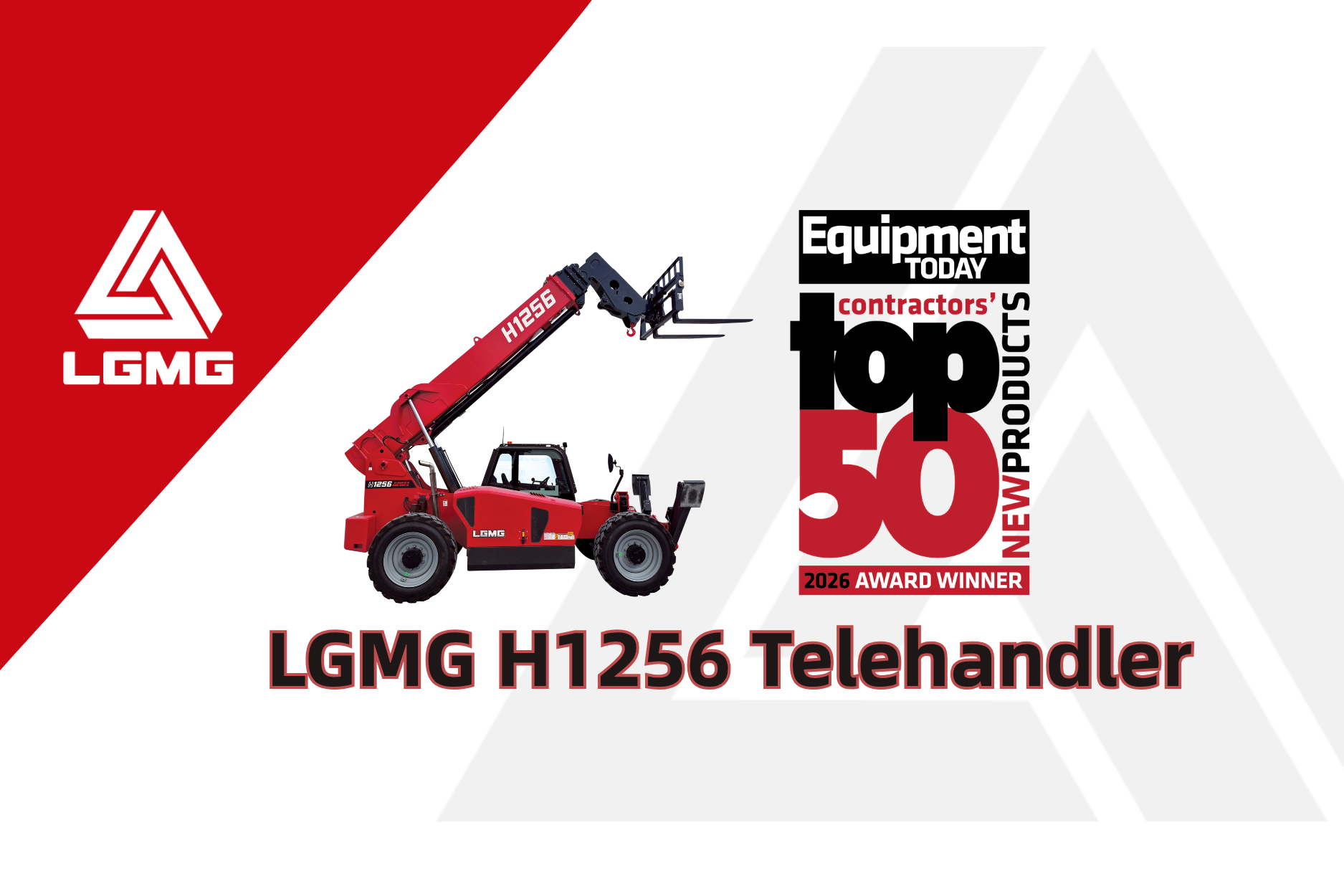
LGMG H1256 telehandler named to Equipment Today’s 2026 Contractors’ Top 50 New Products
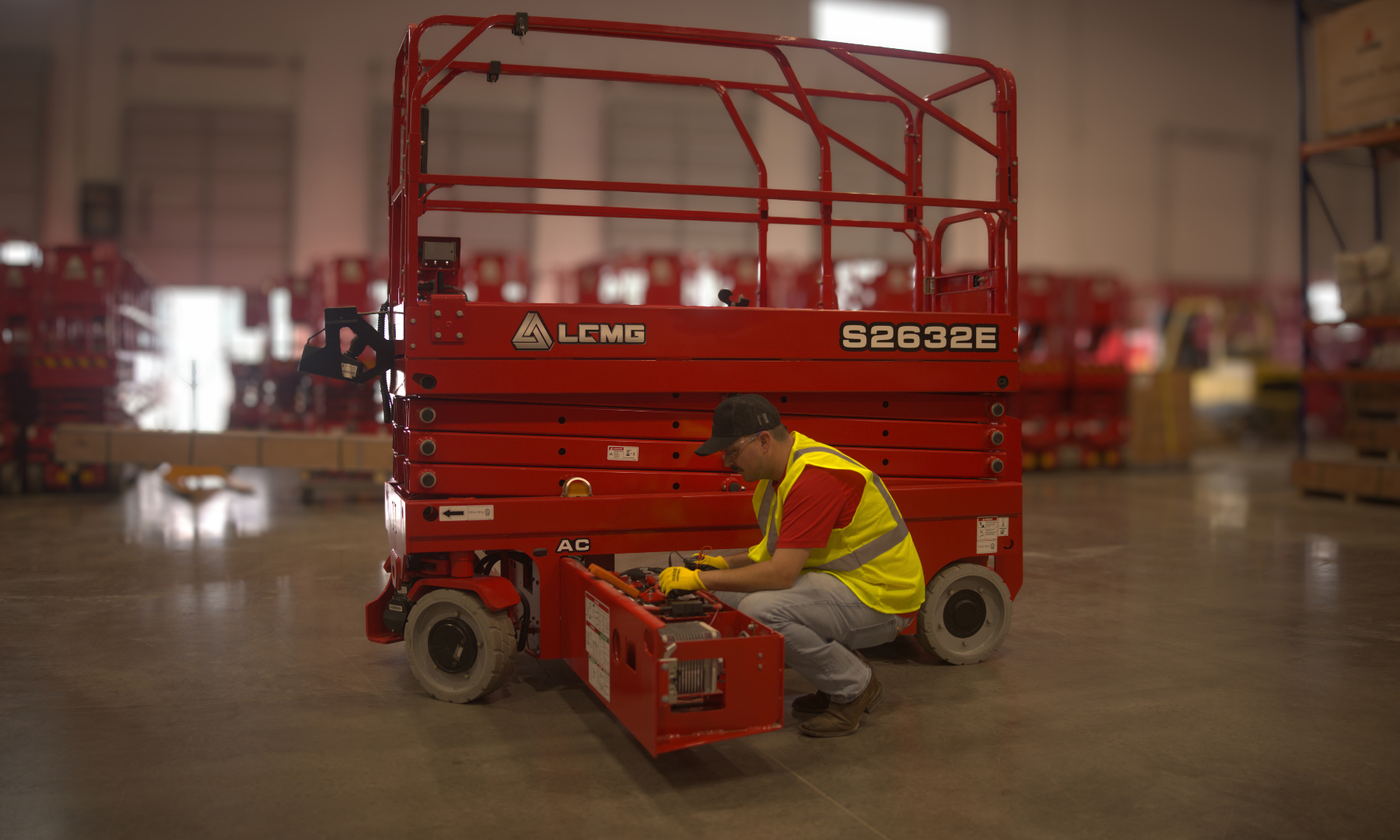
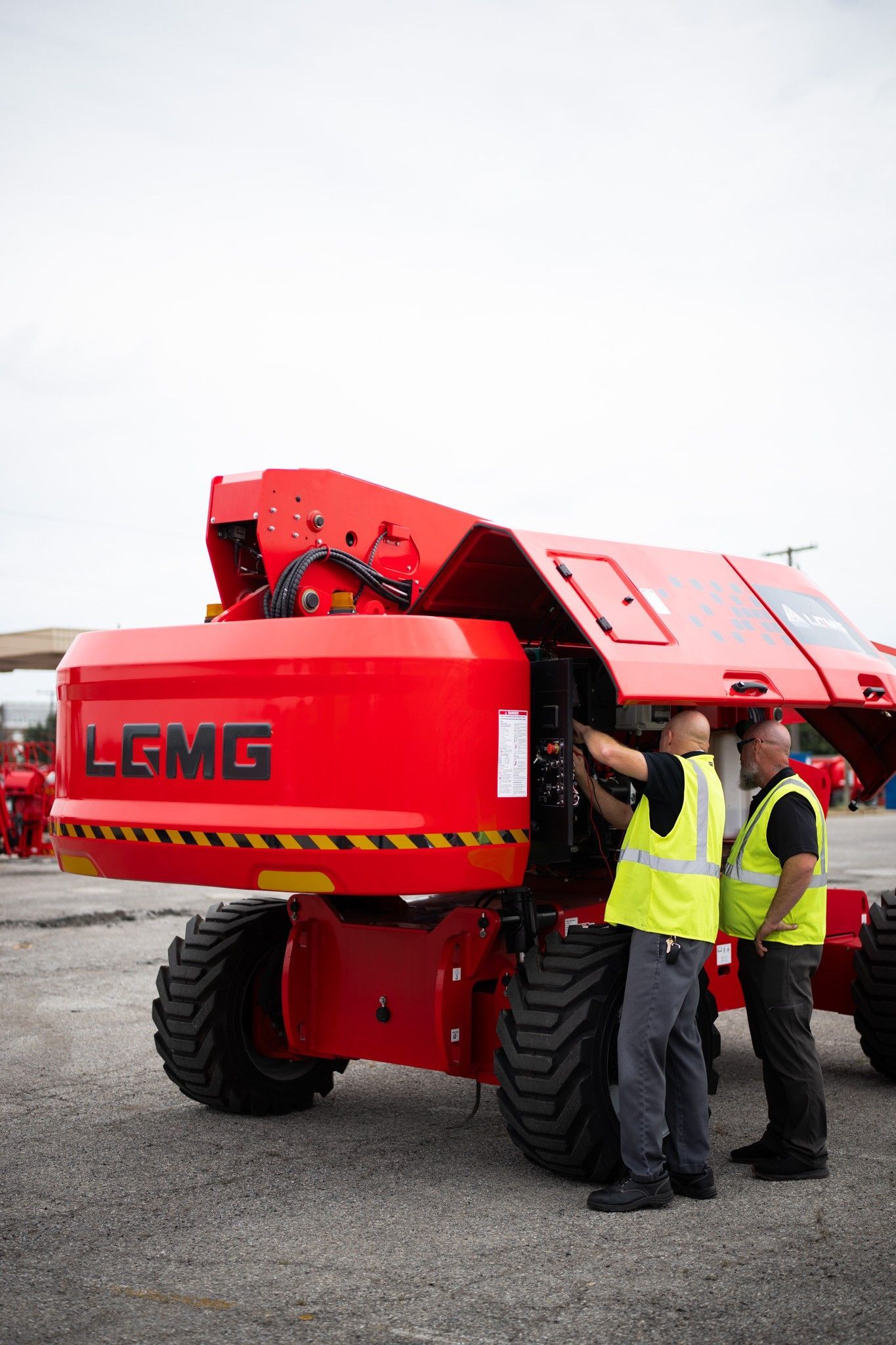
Uptime Starts With Serviceability Ultimately, uptime is not just about whether a machine stops working. It is about how quickly that machine can be diagnosed, serviced and returned to work. Uptime is everything in rental. Rental companies depend on it, contractors expect it and project schedules demand it. As construction schedules tighten across North America and more large-scale projects move forward, equipment uptime has become one of the clearest measures of machine value. But uptime is not only about whether a machine is built to perform. It is also about what happens when that machine needs attention. Every machine requires service. Components wear, issues need to be diagnosed and parts eventually need to be replaced. For rental companies, the real question is simple: How quickly can a technician identify the problem, access the right components, complete the repair and return unit to rent-ready status? That is why serviceability, repair speed and parts availability deserve the same attention as machine specs, performance and purchase price. A machine that looks good on paper but creates service headaches can increase shop time, reduce utilization and make it harder for rental companies to keep equipment earning.
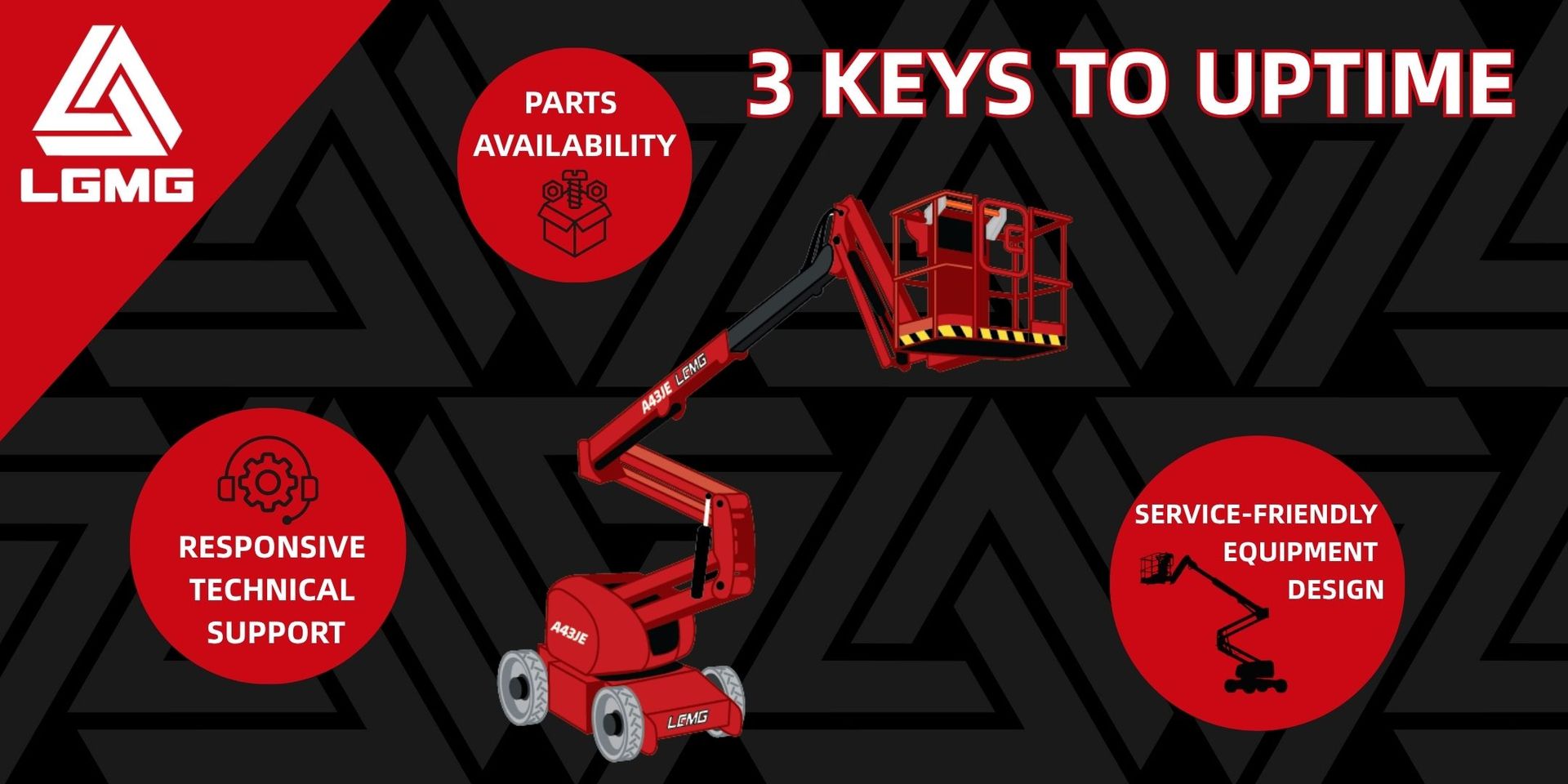
How strong service support helps protect rental equipment utilization: Uptime is one of the most critical performance measures in the rental industry. When a machine sits in a repair bay instead of the rent-ready line, fleet availability is immediately affected. This can lead to higher transportation costs, increased labor demands, added strain on shop resources and reduced responsiveness to customer needs. Ultimately, all of these factors have a direct impact on profitability and overall operating efficiency. Most rental companies have talented service teams that handle the majority of maintenance and repairs themselves. The manufacturer’s role is to support them when challenges arise—through technical expertise, parts availability, responsive communication and, when needed, hands-on assistance in the field.
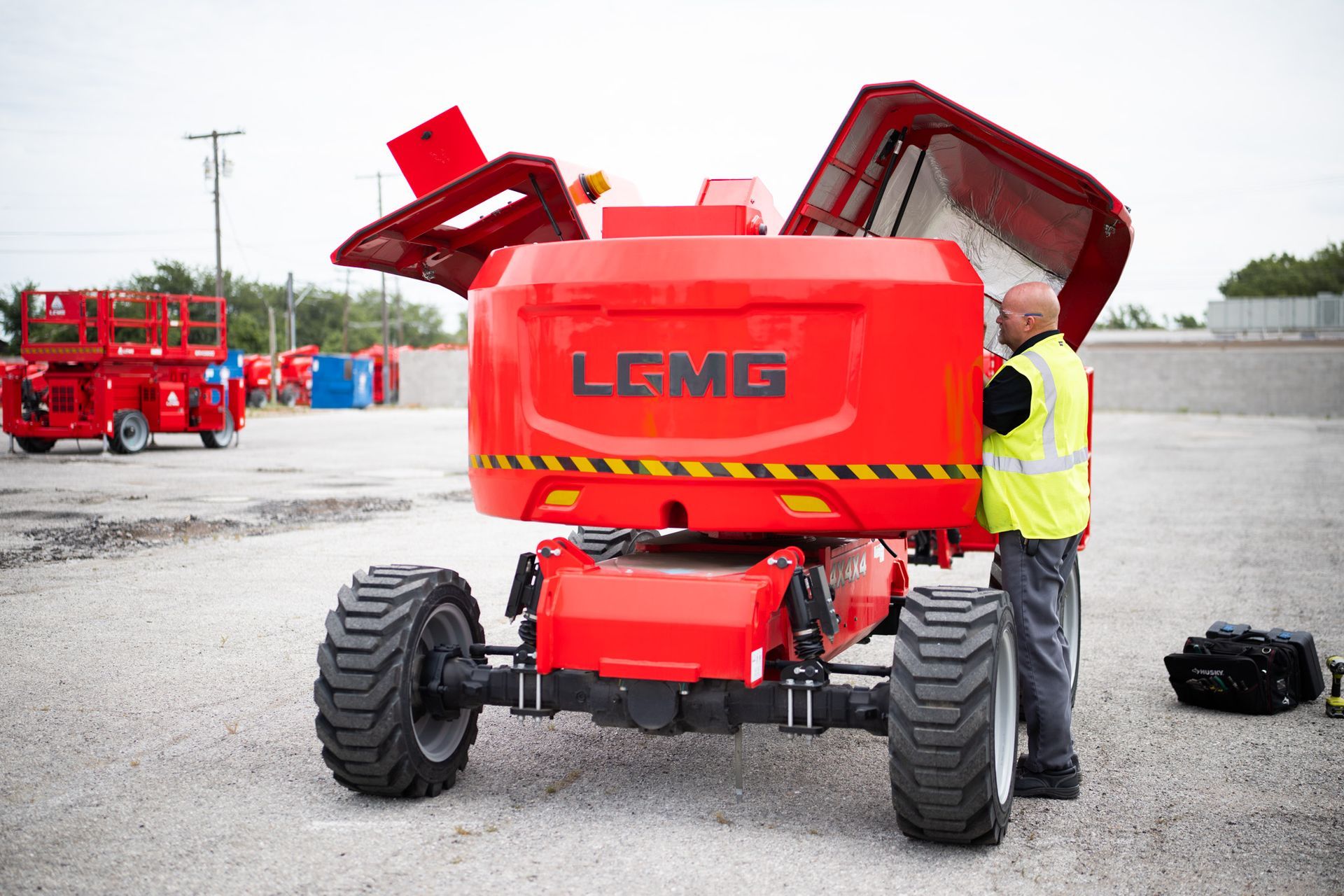
Discover how responsive manufacturer service support, technician training, and practical equipment design protect rental fleet utilization and reduce downtime.
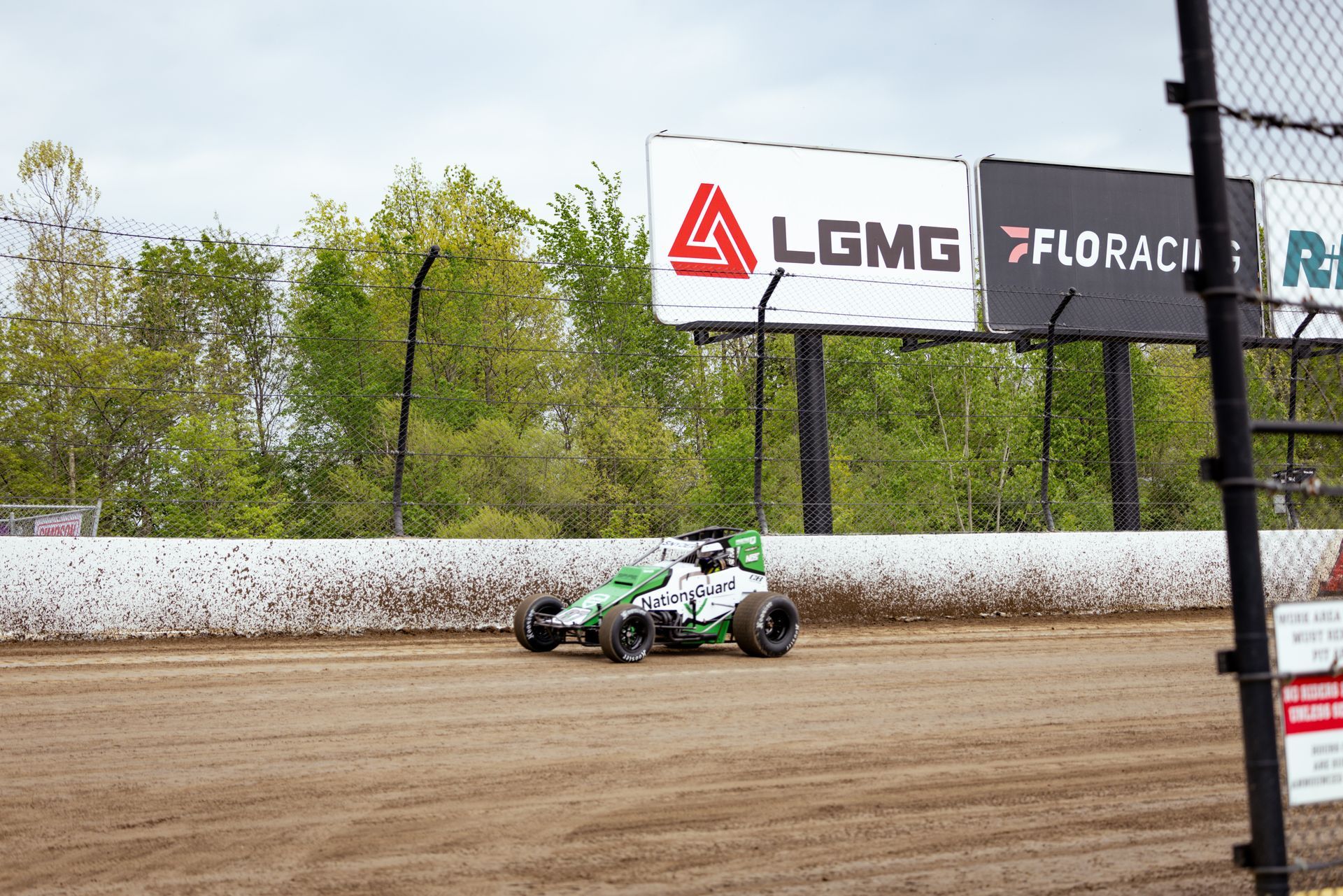
LGMG North America (LGMG NA) is partnering with Eldora Speedway for its 2026 season, supporting one of the most recognized venues in American dirt track racing. Held across multiple weekends from April through October in Rossburg, Ohio, the events draw thousands of fans.
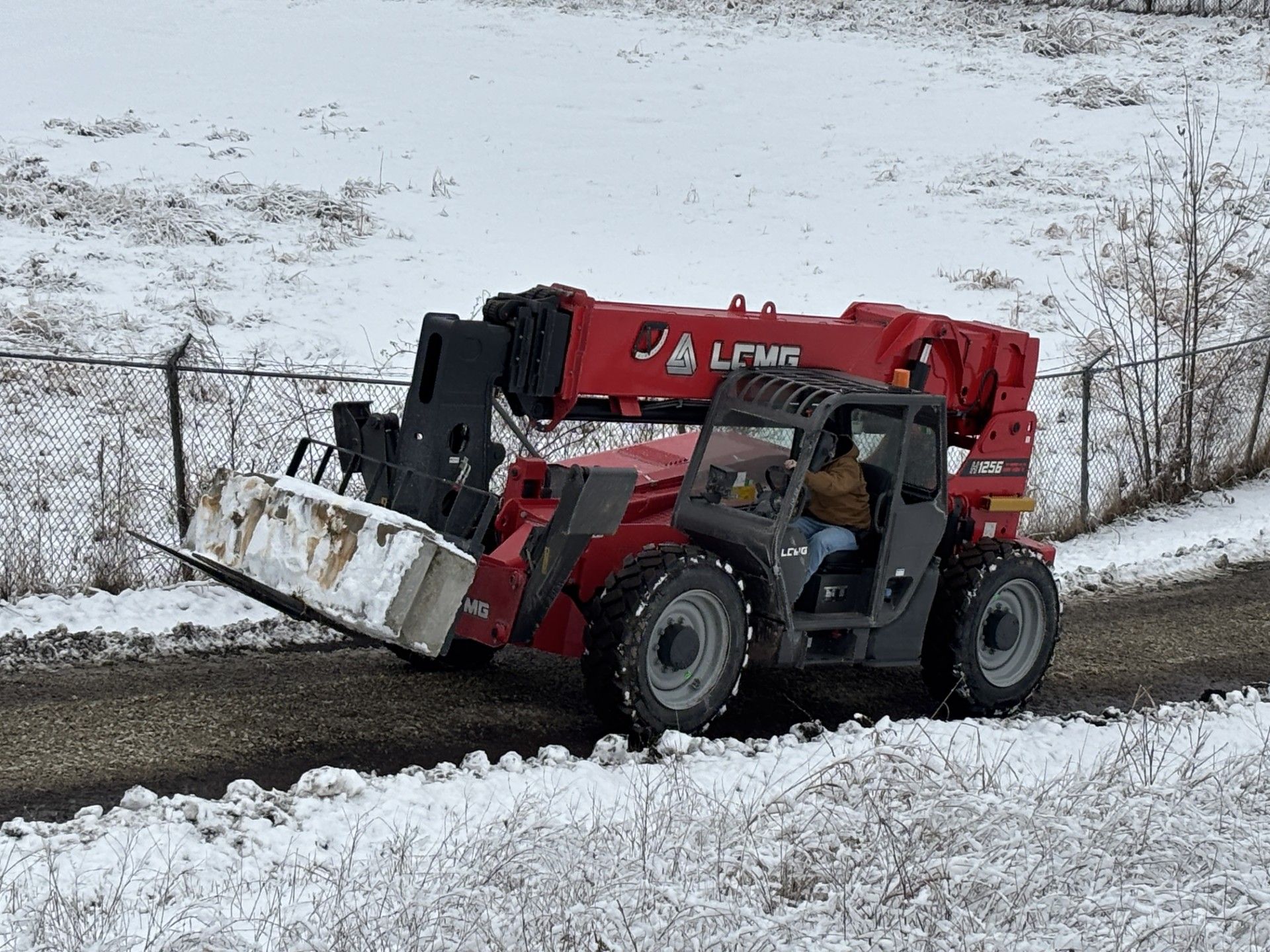
The high-capacity H1256 telehandler expands LGMG’s lineup for construction, industrial and infrastructure applications.
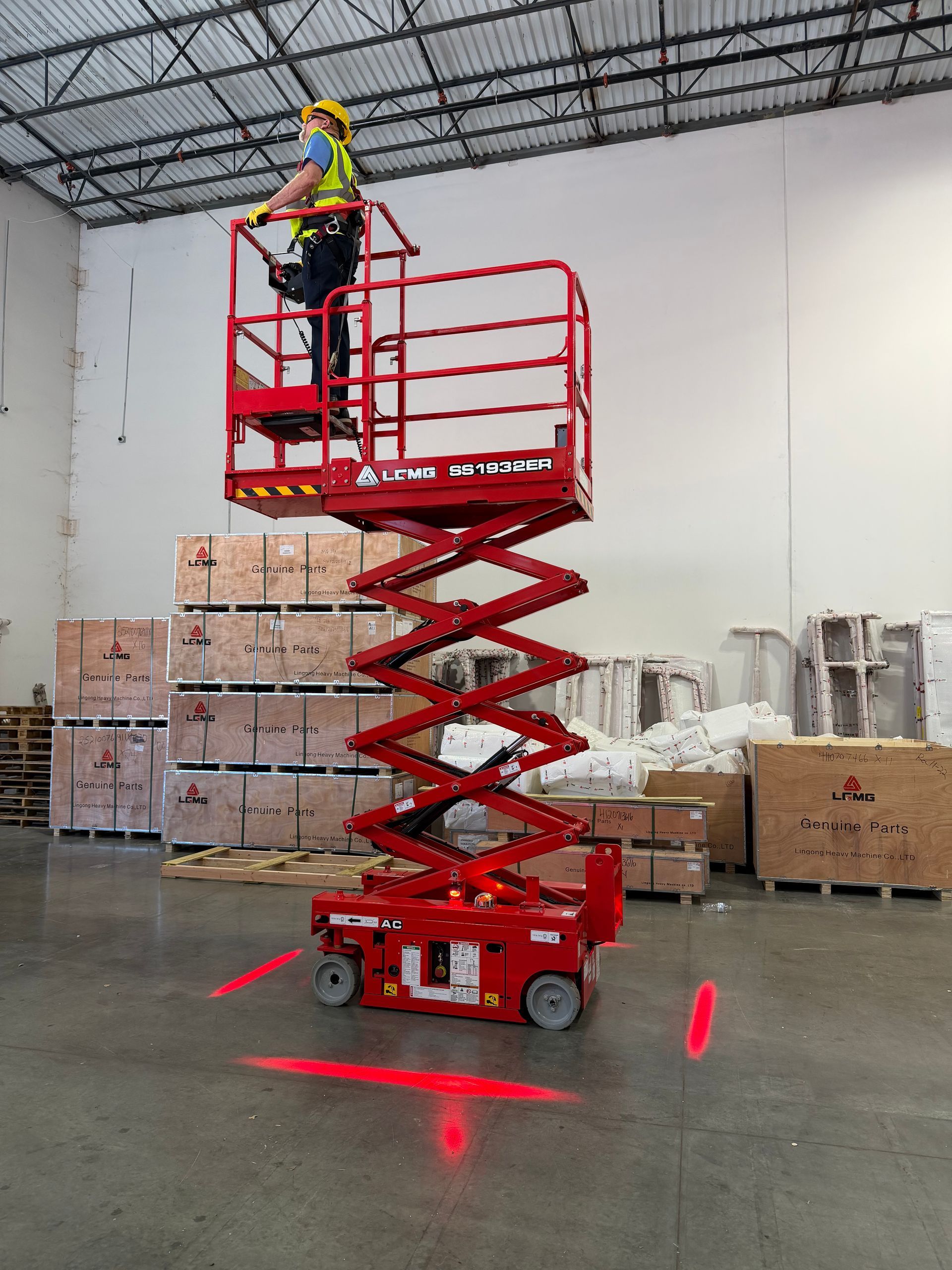
The SS1532ER and SS1932ER bring compact design and rental-focused ROI to tight jobsites, such as those found in the maintenance, construction and healthcare industries.
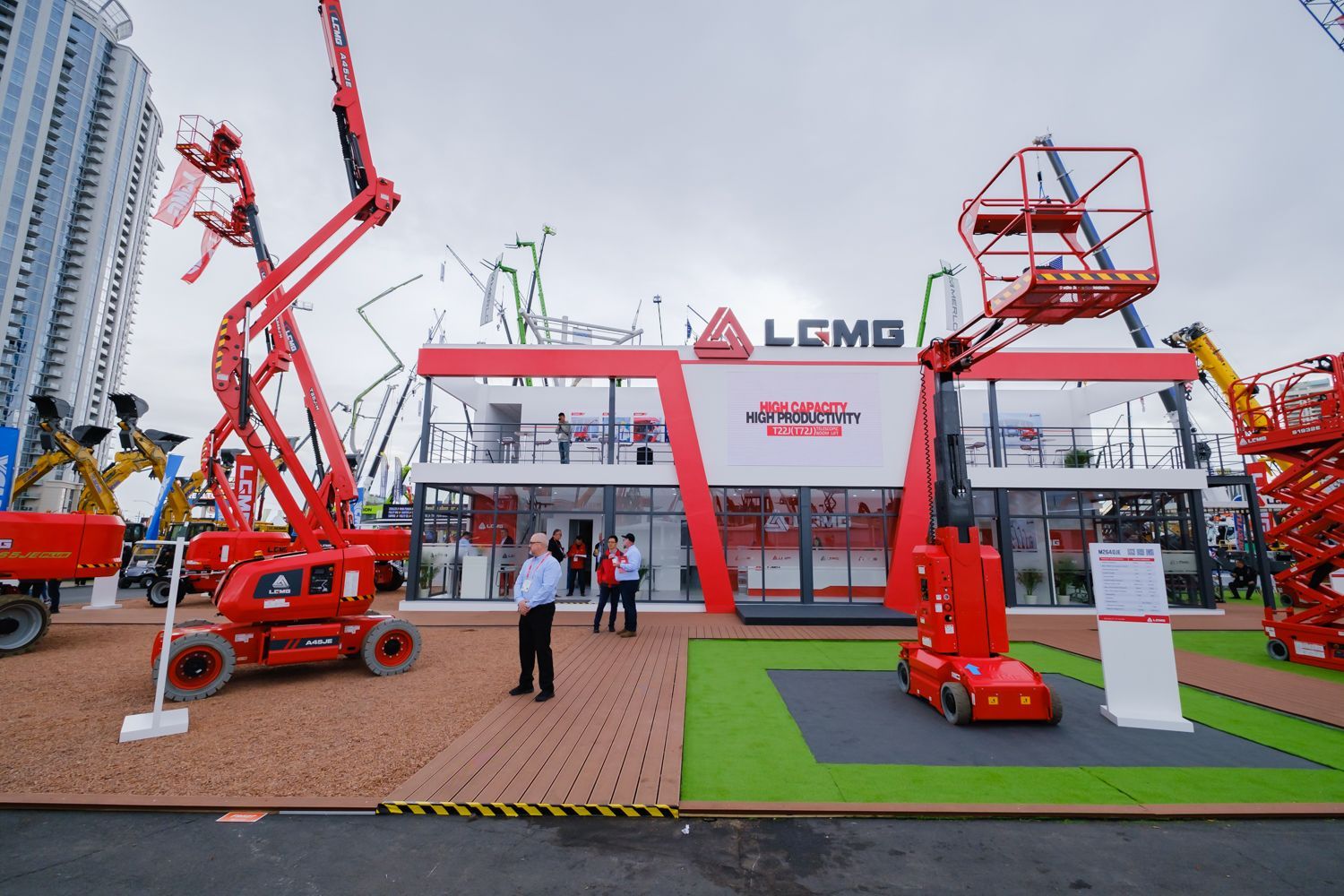
LGMG North America (LGMG NA) will use CONEXPO 2026 to reinforce its rental-
first approach to the mobile elevating work platform (MEWP) and telehandler
markets, highlighted by the launch of two new machines: the SS1932ER micro
scissor lift and the H1256 telehandler.