Why Uptime Starts With Easier Service

Barb Canibano • August 24, 2026

Share this article

Uptime Starts With Serviceability 


Ultimately, uptime is not just about whether a machine stops working. It is about how quickly that machine can be diagnosed, serviced and returned to work. 


Uptime is everything in rental. Rental companies depend on it, contractors expect it and project schedules demand it. As construction schedules tighten across North America and more large-scale projects move forward, equipment uptime has become one of the clearest measures of machine value. 


But uptime is not only about whether a machine is built to perform. It is also about what happens when that machine needs attention. 

Every machine requires service. Components wear, issues need to be diagnosed and parts eventually need to be replaced. For rental companies, the real question is simple: How quickly can a technician identify the problem, access the right components, complete the repair and return unit to rent-ready status? 


That is why serviceability, repair speed and parts availability deserve the same attention as machine specs, performance and purchase price. A machine that looks good on paper but creates service headaches can increase shop time, reduce utilization and make it harder for rental companies to keep equipment earning.

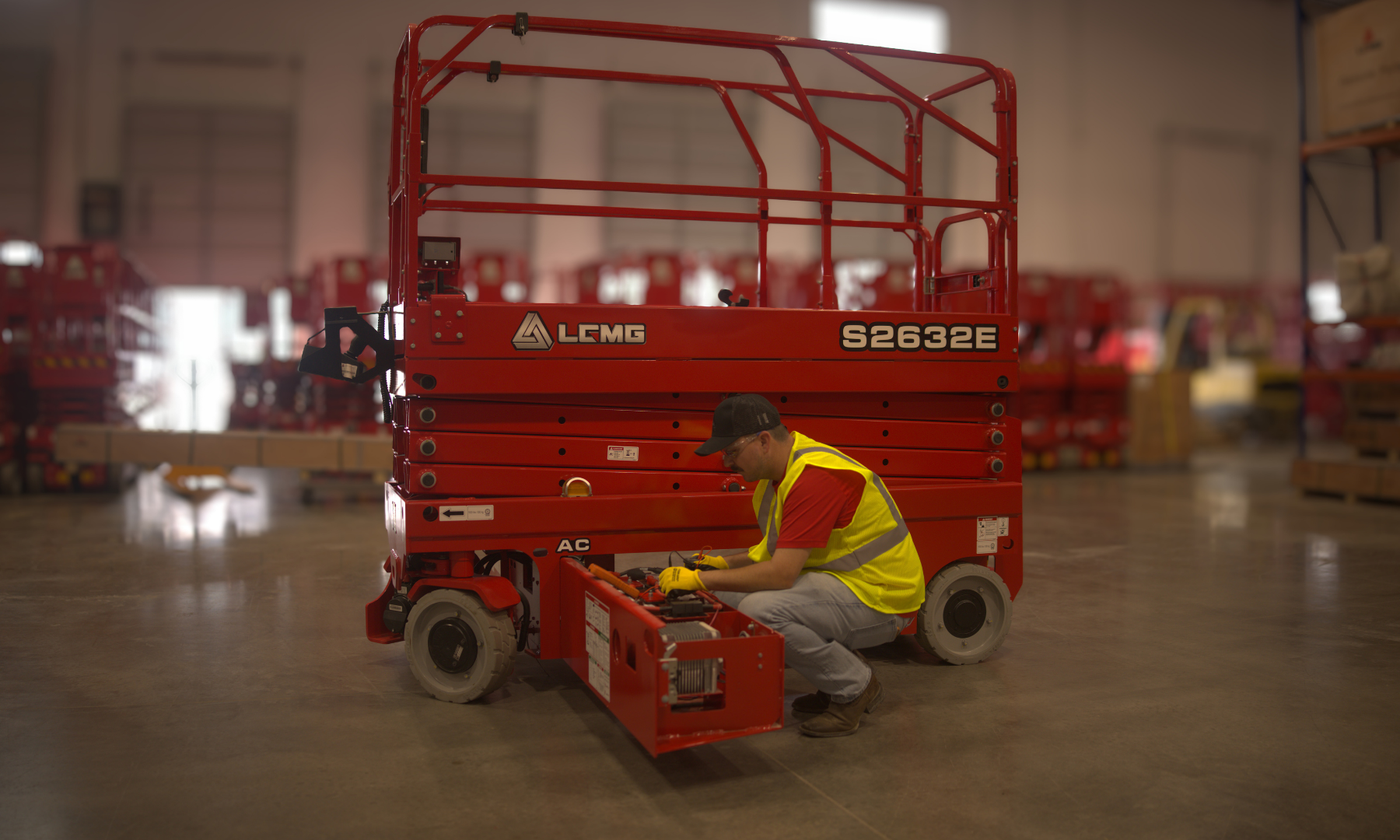
Scissor Lift inside a warehouse with technician working on the battery compartment.

Faster diagnosis, easier access 

A common frustration for equipment owners is that modern machines can become too complex to troubleshoot and service. More technology is not always better if it makes maintenance slower, requires unnecessary retraining or adds complexity without a clear benefit. 

For rental fleets, practical design matters. Equipment should be straightforward, familiar and serviceable in real-world maintenance environments. Technicians need to access key systems quickly, understand what they are looking at and complete the work without unnecessary disassembly. 


Serviceability features can include onboard self-diagnostic systems, ground-level service access, easy-open panels and centralized access to key electrical, hydraulic and engine-related components. On many diesel-powered machines, pull-out engine trays provide easier access to important service points. Electric scissor lifts and other models may include swing-out component trays for routine maintenance access. 


These design choices help technicians identify faults faster, reach the right components more easily and complete inspections, service work and repairs more efficiently. For rental companies, the fastest repair is often the one that does not require unnecessary steps in the first place. 


Designed for the realities of rental fleets 

Rental companies do most of their own routine service work. They have their own technicians, their own maintenance processes and their own expectations for how machines should fit into existing fleet operations. 


That makes equipment design especially important. Machines should be intuitive for operators, familiar for technicians and practical to support over repeated rental cycles. If a piece of equipment requires excessive retraining, specialized diagnosis or unnecessary complexity, it can create friction in the shop and reduce confidence in the fleet. 

Manufacturer support still matters, and it should complement the rental company’s own service team. When an issue goes beyond what a customer can resolve internally, rental companies need clear access to knowledgeable people, whether that means phone or email support, field service guidance, service training, parts support or escalation to the appropriate territory representative. 


That distinction is important. The best support model is not one that takes over the customer’s maintenance operation. It is one that helps the customer resolve issues quickly, build confidence in the equipment and keep machines moving through the rental cycle. 


Organized hydraulics and added protection 

Hydraulic systems are central to the performance of boom lifts, rough-terrain scissor lifts and telehandlers. That makes system layout, protection and service access especially important. 

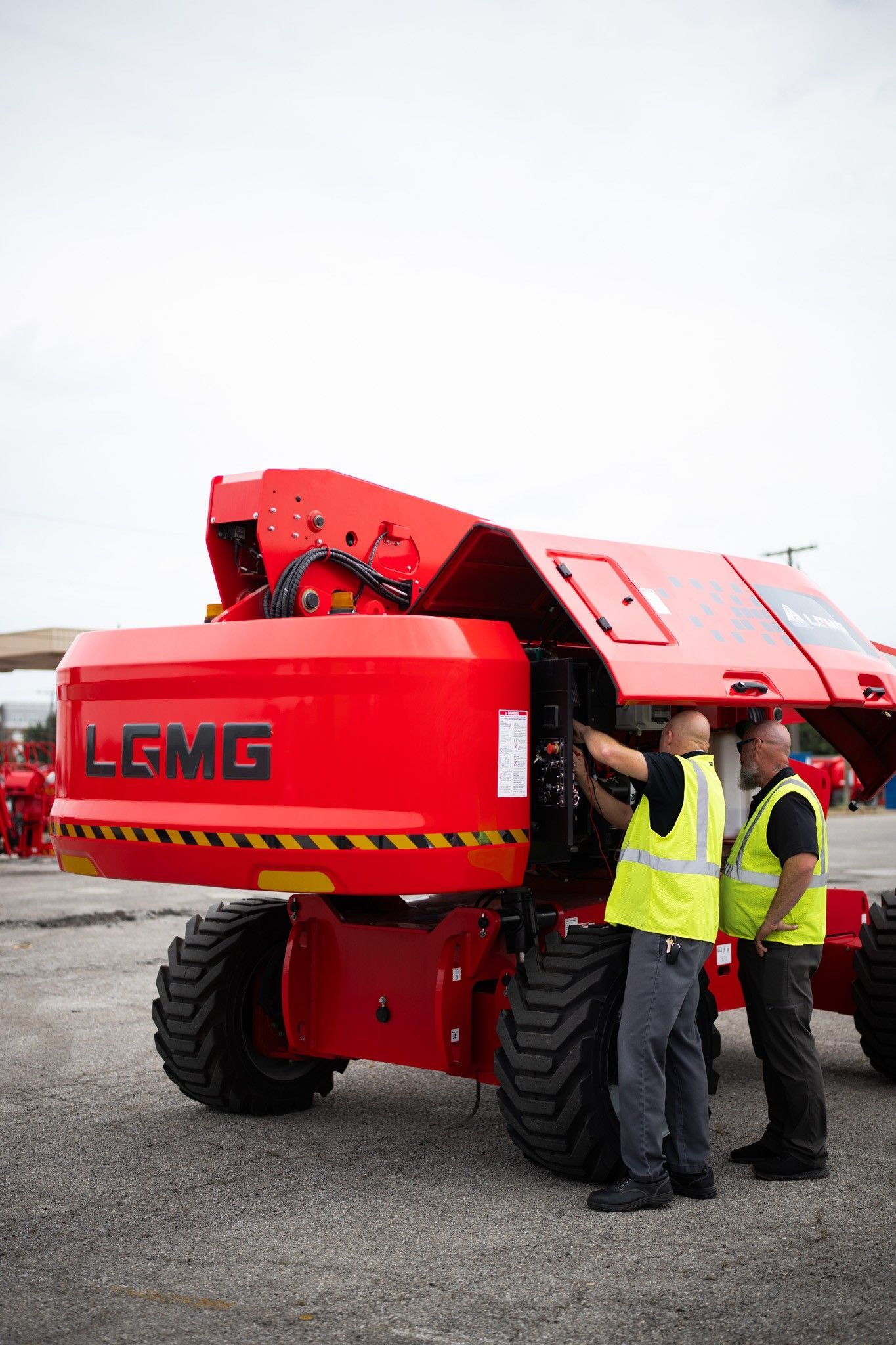
Poorly routed or exposed hydraulic lines can make troubleshooting more difficult and increase the risk of accidental damage during maintenance. Organized and protected hydraulic lines can help technicians trace circuits, identify leaks and replace components more effectively. 

Durability features also play a role in protecting uptime. On applicable LGMG boom lift models, for example, the standard Hostile Environment Kit includes hydraulic hose sheathing, cylinder bellows, boom wipers and a metal platform control box cover. Features like these help protect key areas of the machine in demanding jobsite conditions and support long-term serviceability in real operating environments. 


Parts support that helps keep machines moving 


Service-friendly design is only part of the uptime equation. Parts availability also plays a major role in keeping machines productive. 


When a machine is down, customers need to know who to contact, whether the part is available and how quickly the issue can move toward resolution. Long delays can turn a manageable repair into lost rental revenue, frustrated customers and reduced fleet confidence. 

For that reason, manufacturers serving rental fleets need practical, responsive parts support. That includes U.S.-based parts availability, clear phone and email contacts, quick fulfillment and accessible service representatives who understand the urgency of downtime. 


LGMG North America, for example, supports customers with an approximate 95% parts fill rate across its US operation and has updated its website so customers can identify their territory service representative, including direct phone and email contact information. That kind of clear support pathway helps rental companies move from diagnosis to resolution faster. 


More uptime, better value 


For rental companies, that is the critical difference. Equipment that is easier to service, faster to repair and better supported through parts availability can reduce downtime, protect utilization and help projects stay on schedule. 


In today’s rental market, value is measured over the full life of the machine. Specs and price still matter, but so do service access, support, parts availability and the confidence that equipment can keep working, earning and returning to the field. 


That is why uptime starts with machines that are easy to service — and with support systems built around the realities of rental fleet operations.


Recent Posts

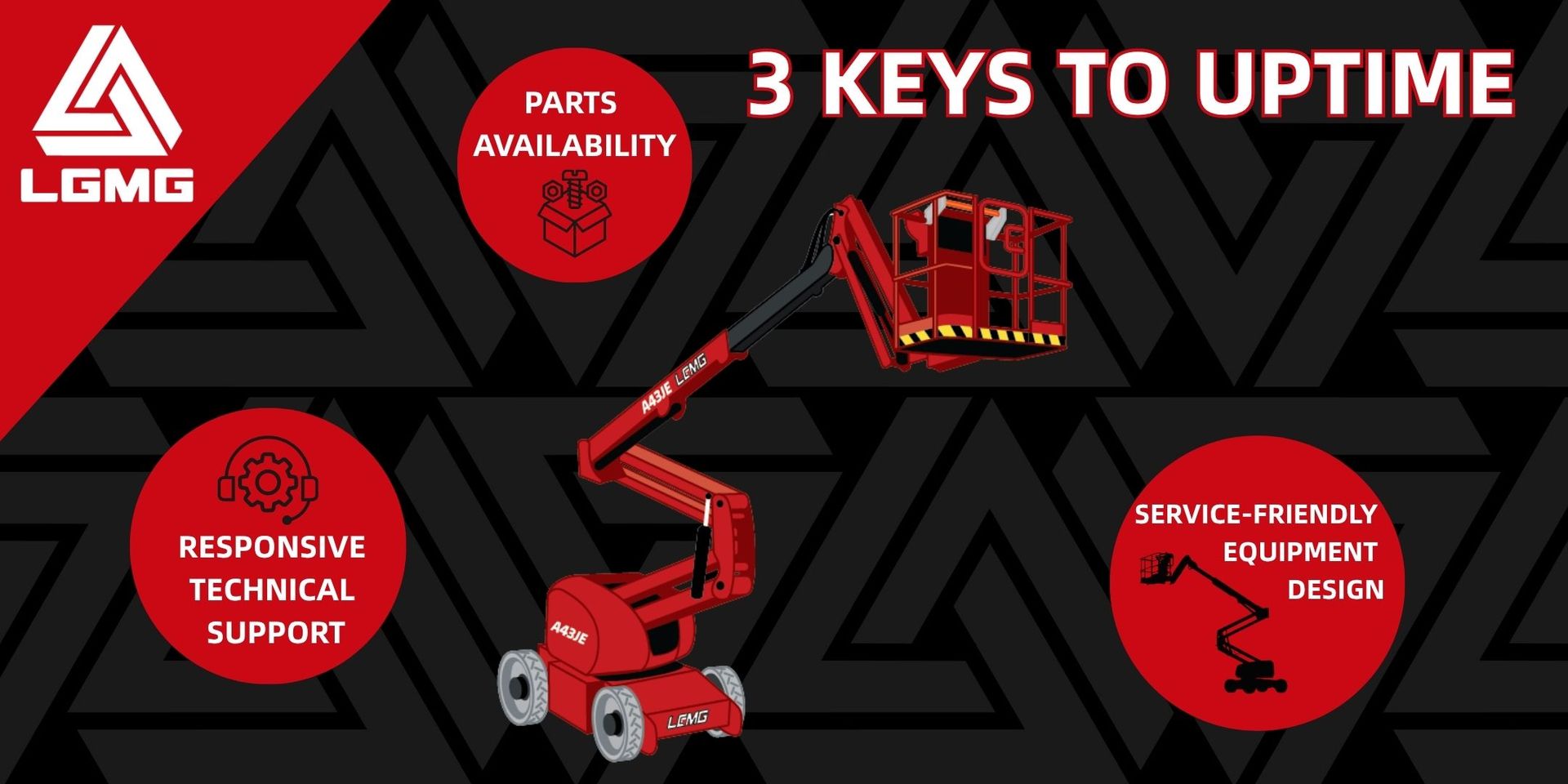
LGMG graphic titled “3 Keys to Uptime” with red equipment and callouts for parts availability, service, support, and uptime.
By Barb Canibano July 23, 2026
How strong service support helps protect rental equipment utilization:  Uptime is one of the most critical performance measures in the rental industry. When a machine sits in a repair bay instead of the rent-ready line, fleet availability is immediately affected. This can lead to higher transportation costs, increased labor demands, added strain on shop resources and reduced responsiveness to customer needs. Ultimately, all of these factors have a direct impact on profitability and overall operating efficiency. Most rental companies have talented service teams that handle the majority of maintenance and repairs themselves. The manufacturer’s role is to support them when challenges arise—through technical expertise, parts availability, responsive communication and, when needed, hands-on assistance in the field.
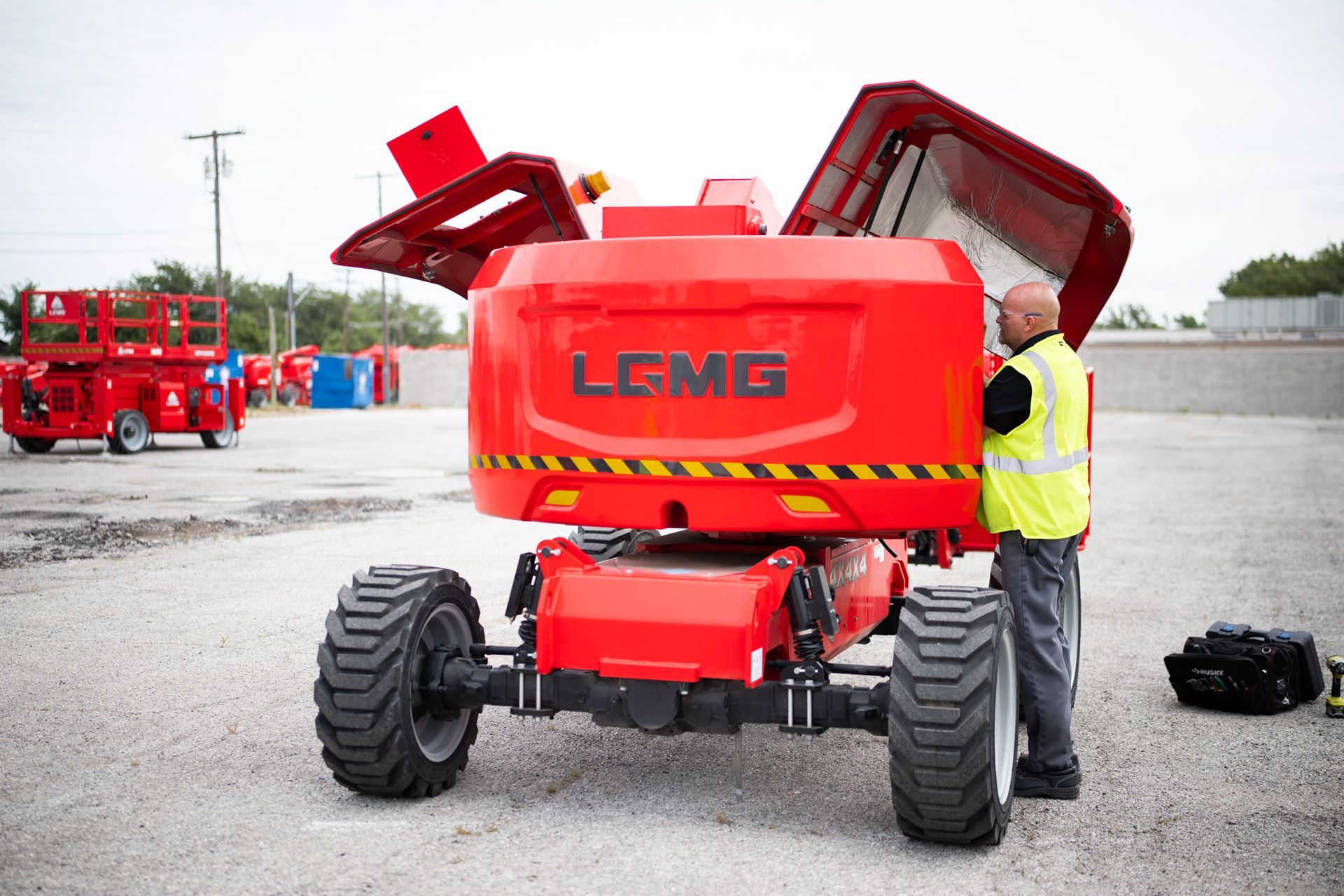
By Barb Canibano June 26, 2026
Discover how responsive manufacturer service support, technician training, and practical equipment design protect rental fleet utilization and reduce downtime.
Red rough terrain scissor lift towering over bleachers with scattered spectators under a cloudy sky
By Morgan Hamori May 19, 2026
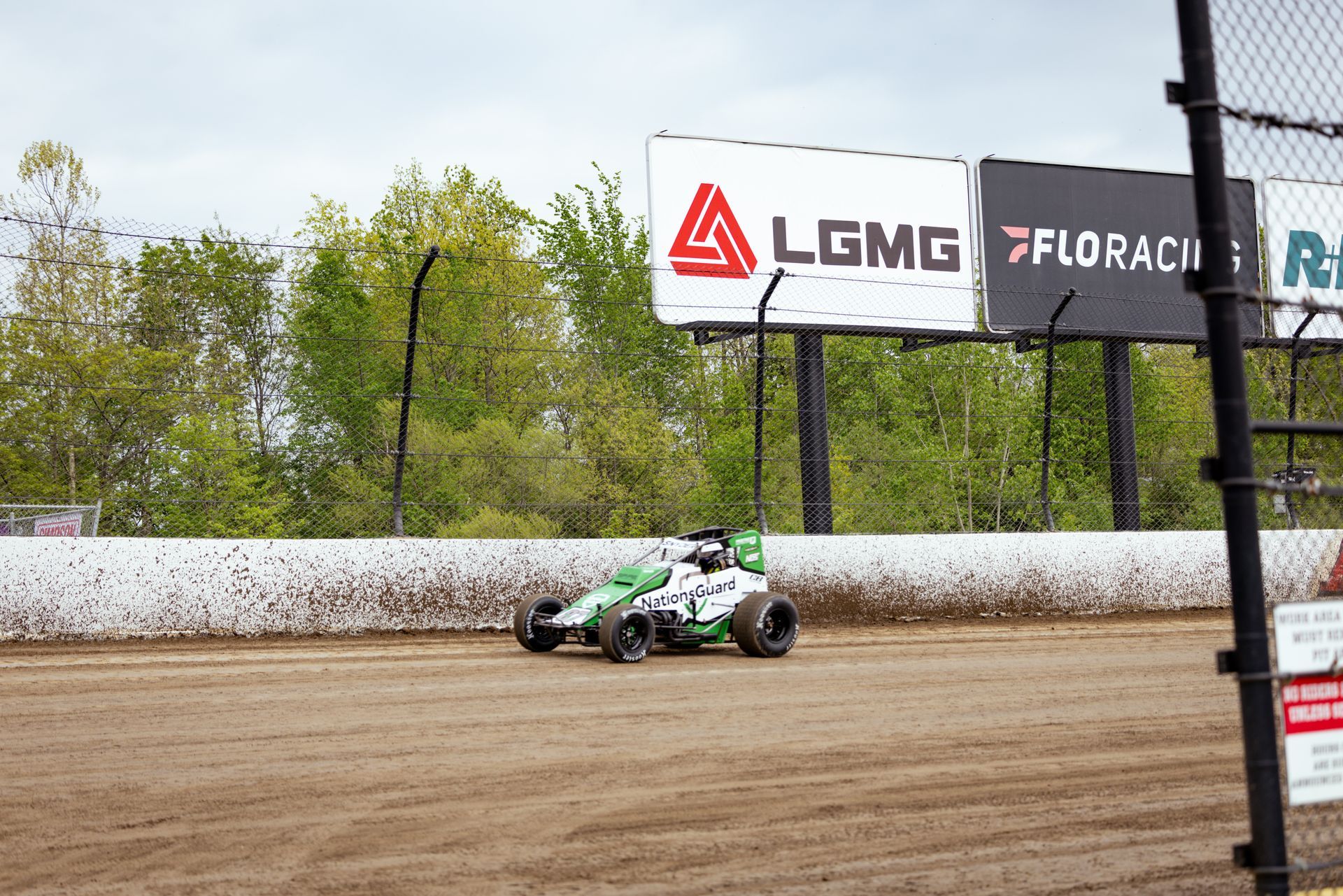
LGMG North America (LGMG NA) is partnering with Eldora Speedway for its 2026 season, supporting one of the most recognized venues in American dirt track racing. Held across multiple weekends from April through October in Rossburg, Ohio, the events draw thousands of fans.
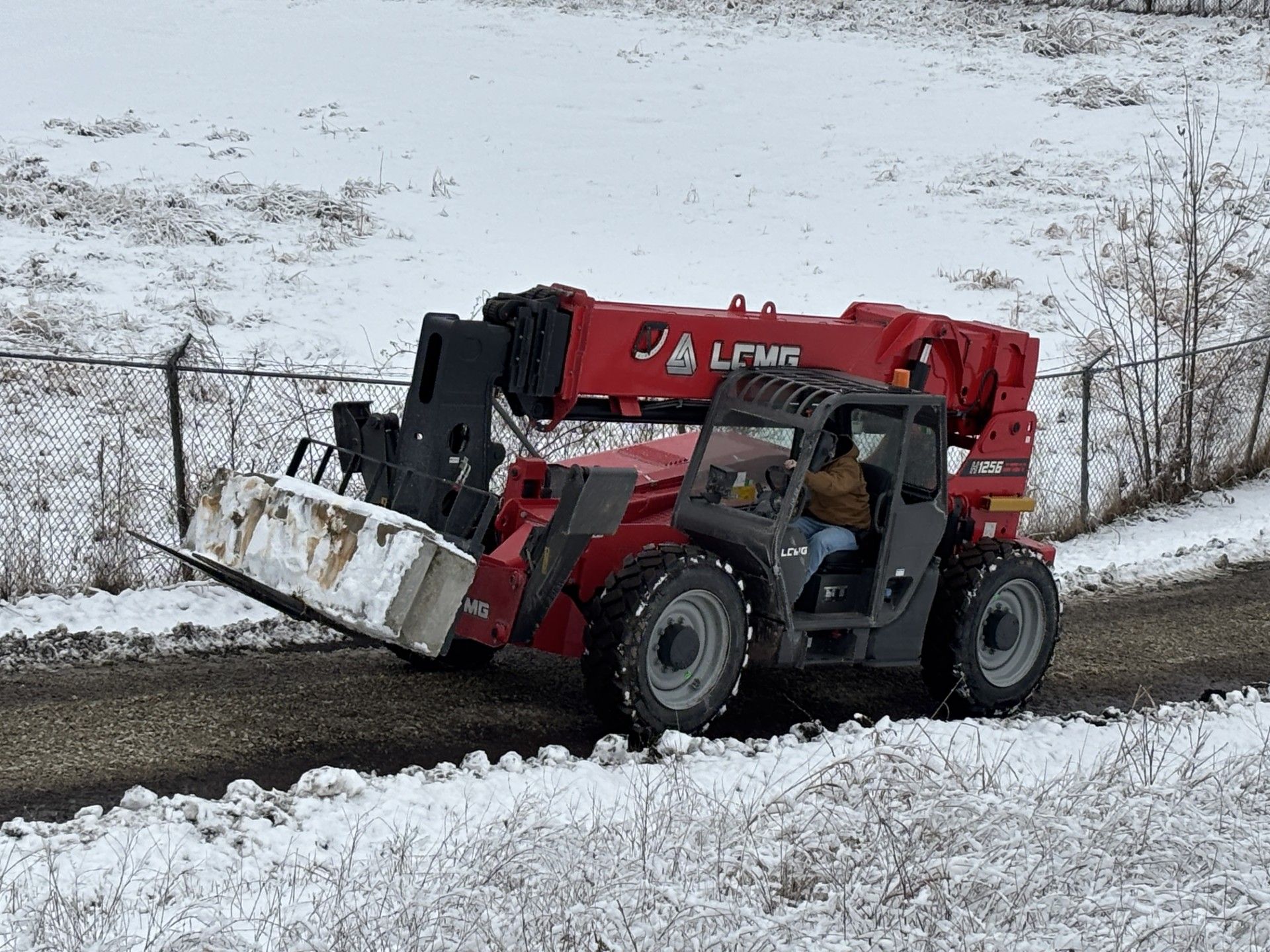
Red telehandler with bucket on snowy road, person driving, near a fence.
By Morgan Hamori March 2, 2026
The high-capacity H1256 telehandler expands LGMG’s lineup for construction, industrial and infrastructure applications.
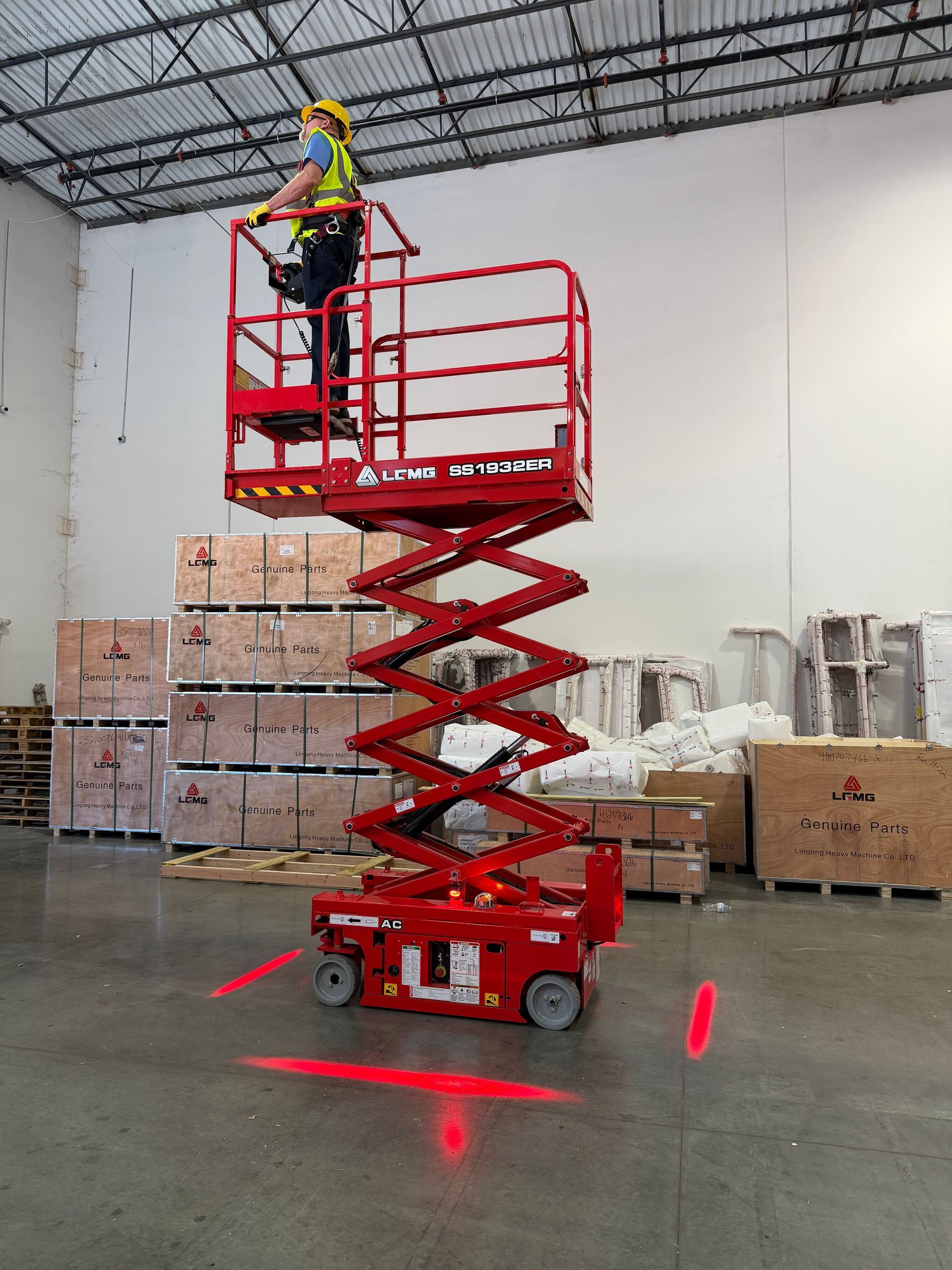
Worker on red scissor lift in warehouse, wearing a hard hat and safety vest.
By Morgan Hamori February 26, 2026
The SS1532ER and SS1932ER bring compact design and rental-focused ROI to tight jobsites, such as those found in the maintenance, construction and healthcare industries.
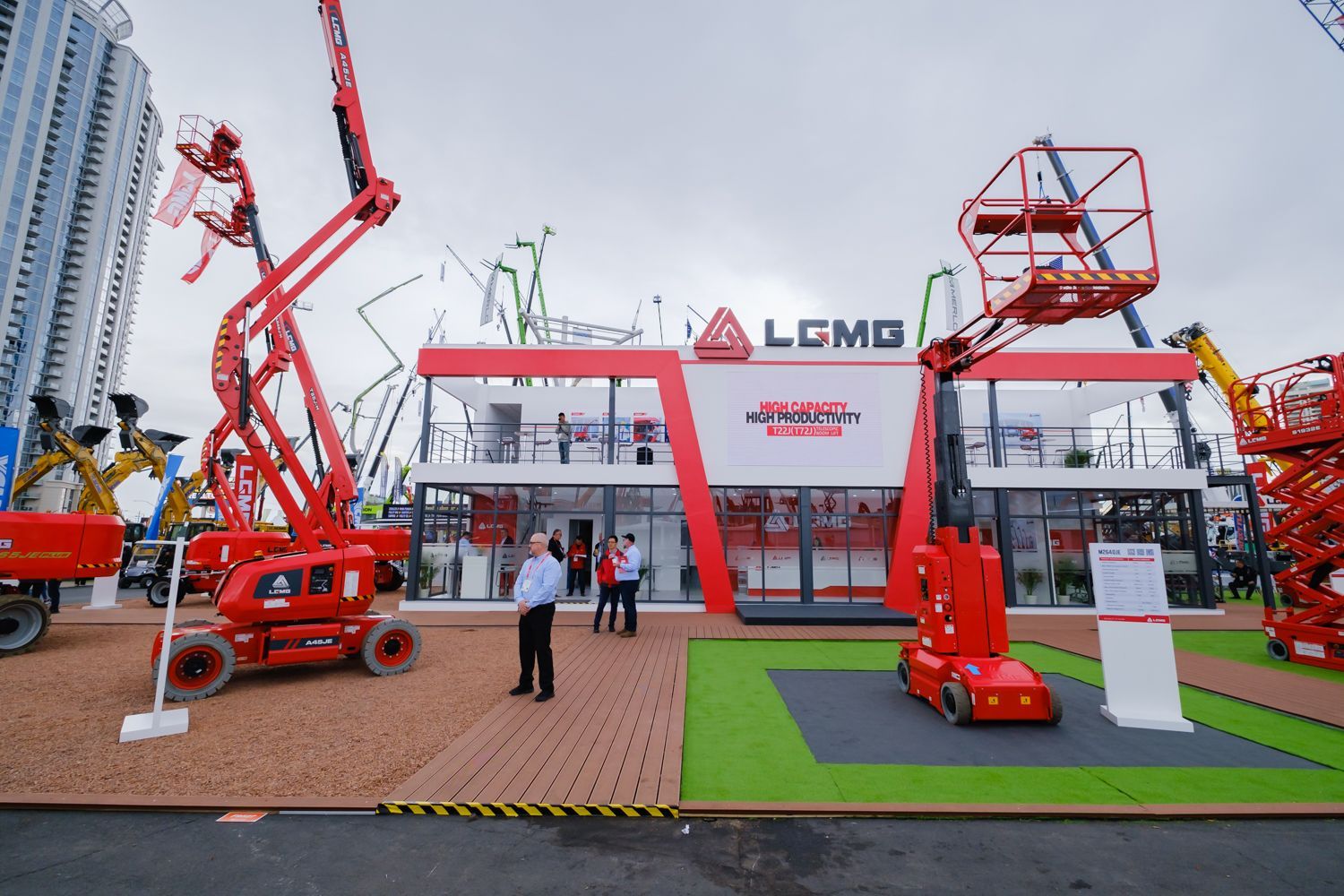
Construction equipment display booth with red machinery, LCMG sign, and people.
By Morgan Hamori February 19, 2026
LGMG North America (LGMG NA) will use CONEXPO 2026 to reinforce its rental- first approach to the mobile elevating work platform (MEWP) and telehandler markets, highlighted by the launch of two new machines: the SS1932ER micro scissor lift and the H1256 telehandler.
LCMG equipment display at a trade show with people gathered around. Red machinery, blue carpet, and a banner are visible.
February 17, 2026
LGMG NA launched the SS1932ER scissor lift & H1256 telehandler at The ARA Show. Contact us for reliable equipment tailored for rental fleets.
Acrylic award: Rental Editor's Choice 2023 for LGMG North America's M2530SE Vertical Mast Lift.
September 19, 2025
The M2530SE is compact (57" long × 31" wide), offers 24'7" indoor / 19'8" outdoor platform height, 352 lb capacity with extension deck, standard leak containment, extension deck, and maintenance-free AGM batteries—backed by LGMG's five-year MEWP warranty*.
Craig Paylor wearing a dark patterned shirt, stands in front of a brick wall.
September 10, 2025
LGMG North America (LGMG NA) announces its official relaunch under President Craig Paylor, an industry veteran with nearly five decades of experience (former President of JLG).
Red aerial work platform on white background.
April 10, 2025
LGMG North America introduces the LGMG A30JE Narrow Electric Articulating Boom Lift.
Show More