How Strong Service Support Helps Protect Rental Equipment Utilization
How strong service support helps protect rental equipment utilization:
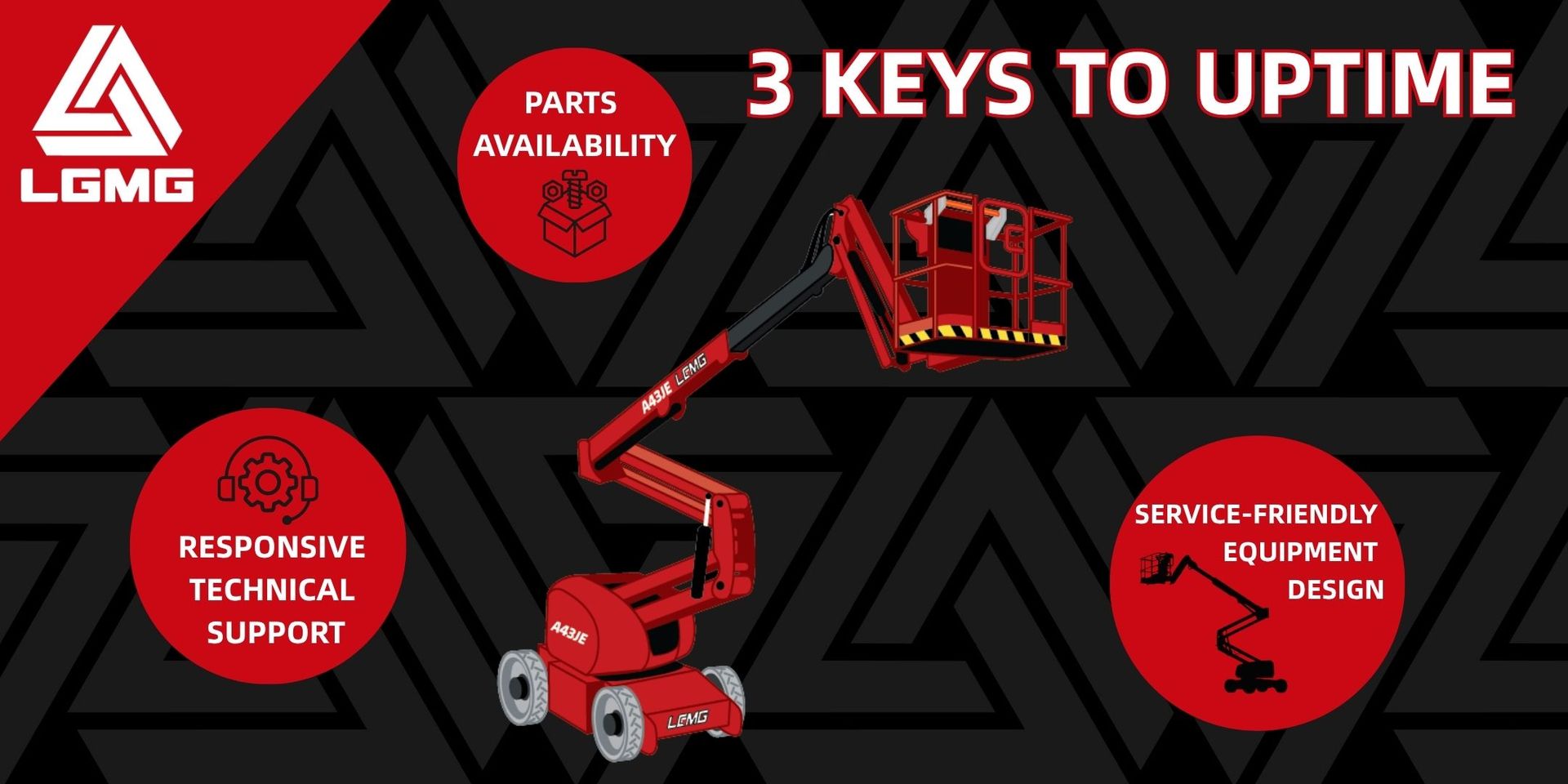
- Responsive service support, technician training and accessible parts availability help rental
companies keep MEWPs and telehandlers working in the field and available for rent.
- When paired with practical, serviceable equipment design, these factors help improve fleet
utilization, reduce operating costs and maximize the return on revenue-generating assets.

High utilization rates are critical to the success of any rental company. As demand across construction, industrial and infrastructure markets continues to grow, rental companies are placing even greater emphasis on keeping their MEWP and telehandler fleets available, productive and ready for the next rental opportunity.
However, maximizing utilization presents its own challenges. More time in the field often means tighter maintenance schedules, increased wear and fewer opportunities to perform planned service activities. At the same time, customers continue to expect reliable equipment performance and immediate availability. Balancing these competing demands requires not only effective fleet management, but also equipment that is reliable, serviceable and supported by responsive manufacturer resources.
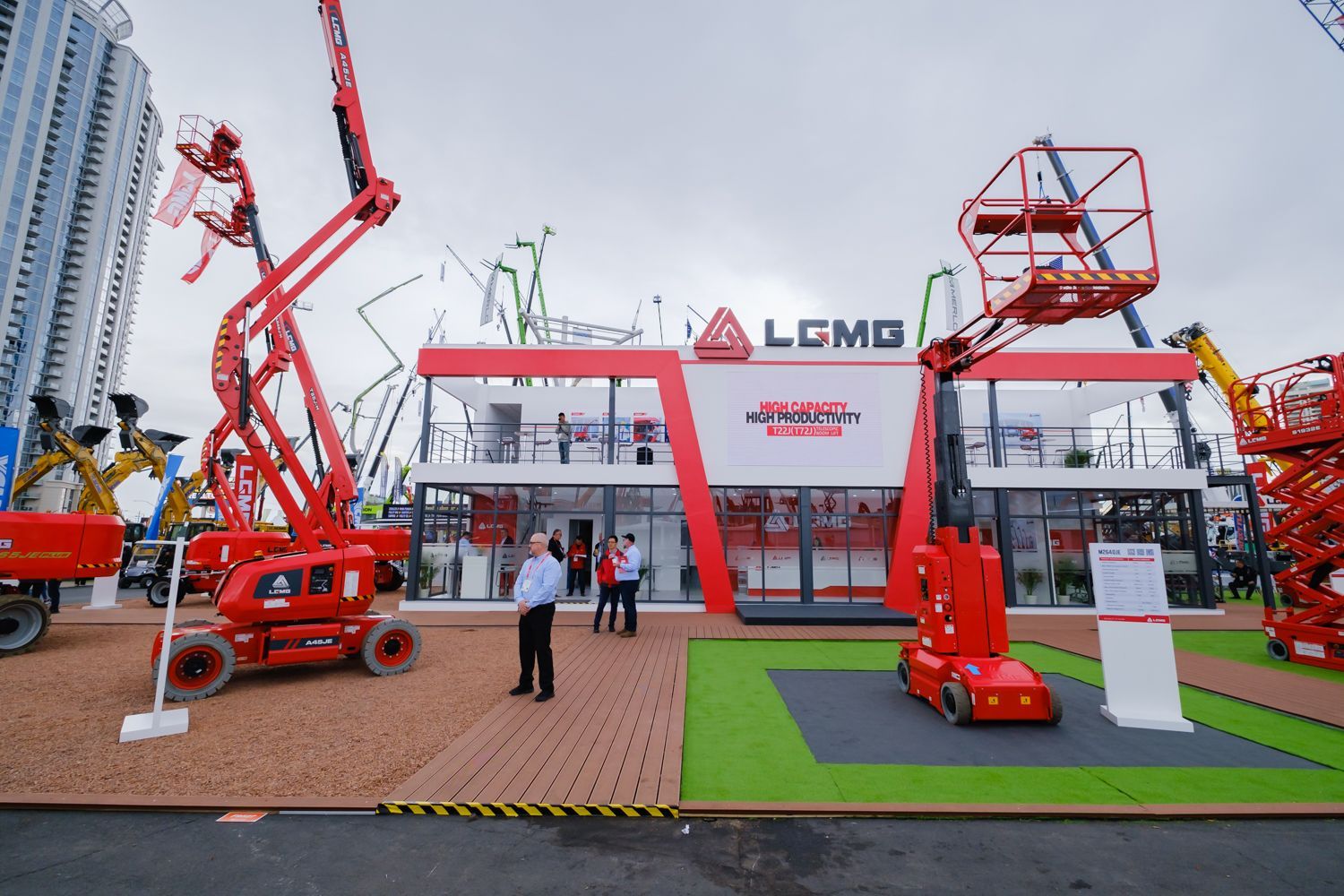
“Rental companies invest significant capital into their fleets, so utilization and equipment availability are always top priorities,” said William Courtney, director of product support and service at LGMG North America. “Every machine sitting in a repair line instead of the rent-ready line represents lost opportunity. That's why we focus on building equipment that is reliable and easier to service, while providing the technical expertise, training and parts support customers need to minimize downtime and return equipment to service as quickly as possible.”
Strong manufacturer service support
Maintaining high utilization rates requires more than simply keeping equipment on rent. Rental companies must also keep machines serviceable, available and ready for the next customer. When technical issues arise, access to knowledgeable support, replacement parts and training resources can help reduce repair time, improve fleet availability and return equipment to the rent-ready line faster.
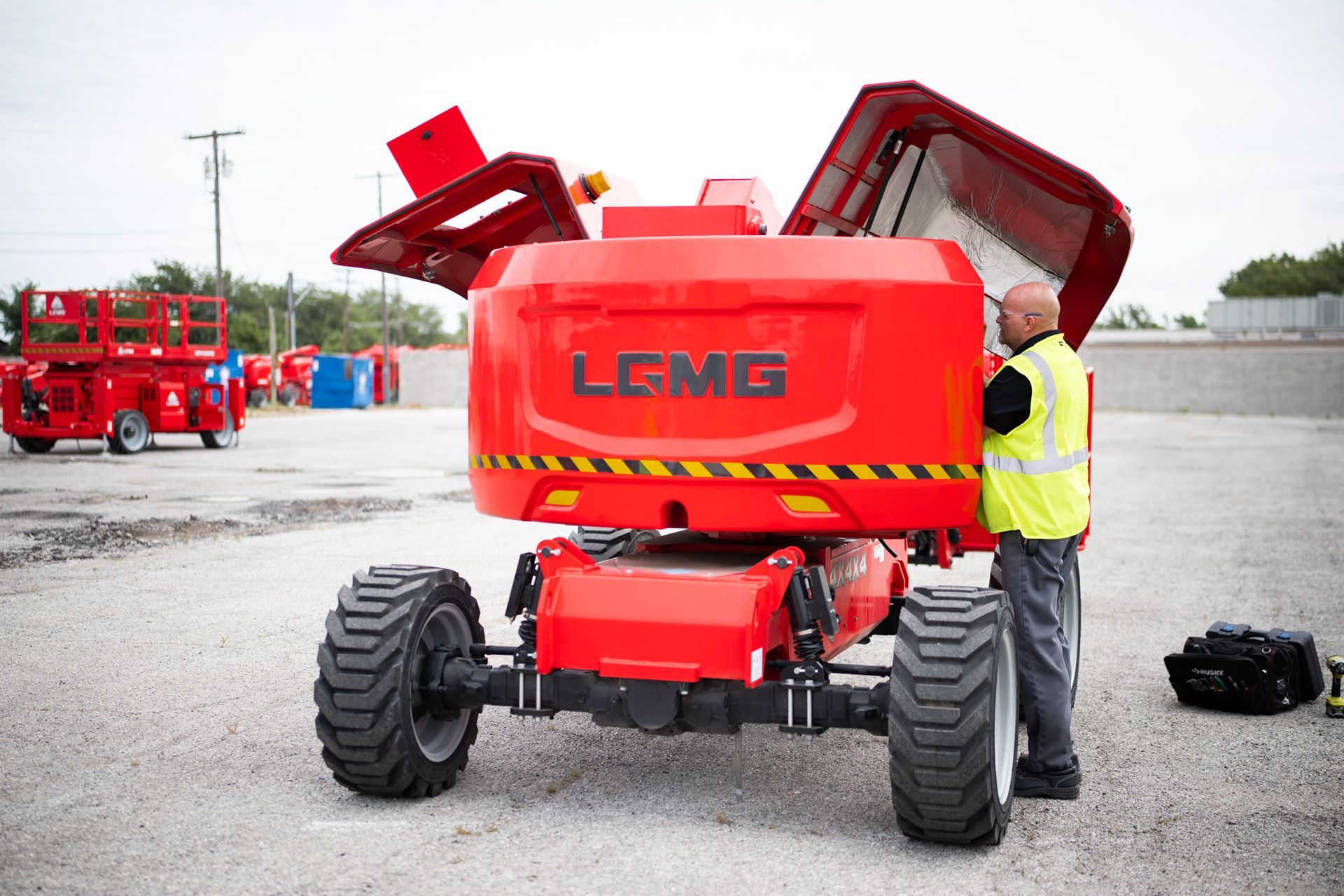
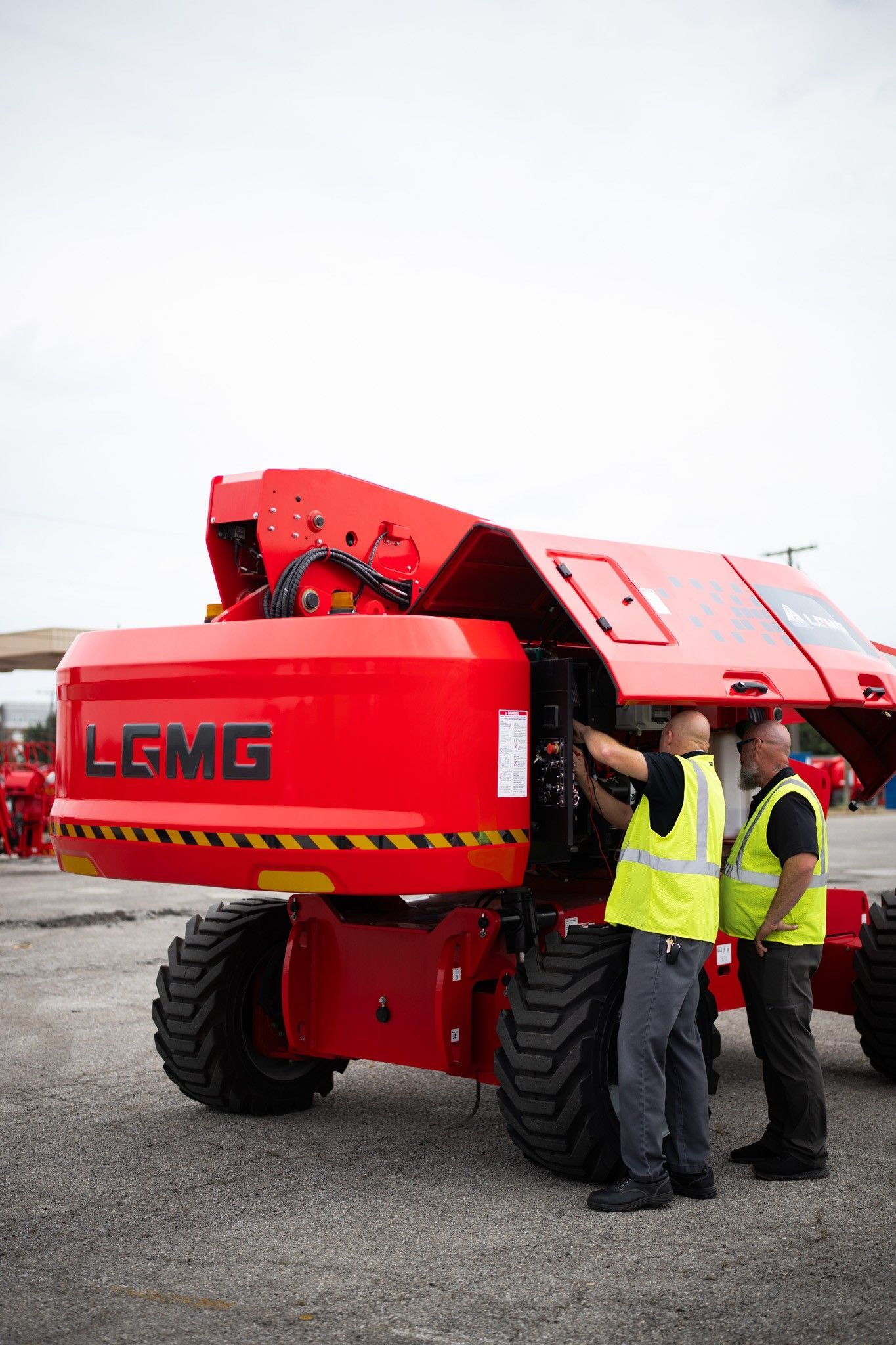
While rental companies perform the majority of maintenance and repairs through their own service organizations, there are times when additional technical expertise is needed. In those situations, responsive manufacturer support becomes an important resource for helping technicians diagnose issues, identify solutions and minimize unnecessary downtime.
At LGMG North America, a technical customer support team ensures that machine owners can quickly connect by phone (+1 833 288-5464 Opt. 1) with a technical service representative who can guide troubleshooting efforts and help resolve issues.
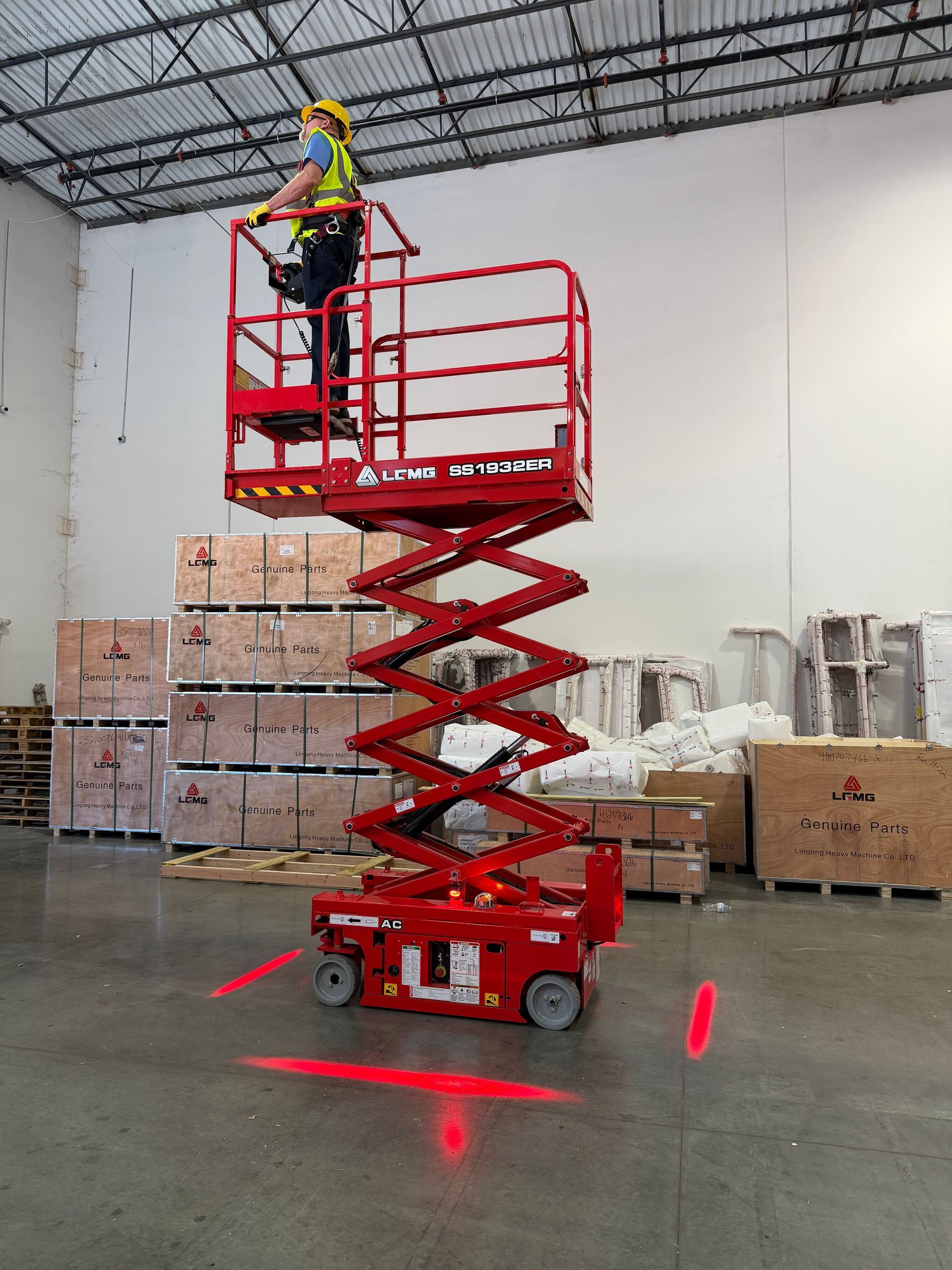
Courtney highlights that LGMG North America provides a structured service network for its MEWPs and telehandlers across the region, ensuring that field service representatives are available when higher-level assistance is required. Customers can easily locate their regional contact through the company’s website and connect via phone or email. In addition, fast parts availability across the United States means timely repairs and minimized downtime.
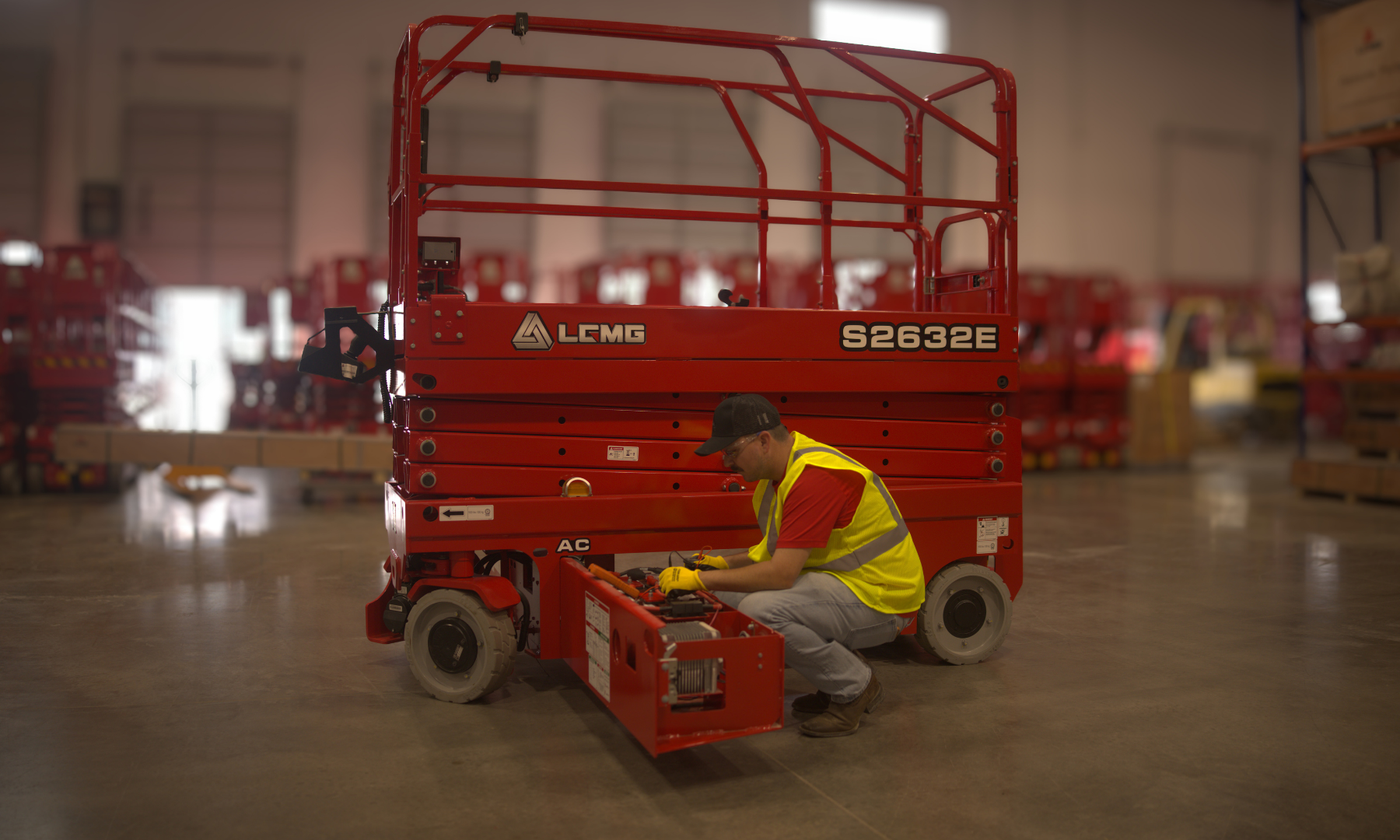
As rental companies expand their fleets and push for higher utilization, LGMG North America offers dedicated training to customers’ technicians after their first delivery. These programs help equip technicians to troubleshoot issues more efficiently and return machines to jobsites more quickly.
Courtney emphasizes that service training helps set up our customers for success.
“Training is a major part of our customer support, and underlines that our commitment to rental companies extends across the machine lifecycle,” he said. “When technicians understand the equipment, they can work faster and avoid unnecessary downtime. That directly supports utilization.”
Practical design matters
Machine design plays a significant role in helping rental companies maintain high utilization rates. While advances in technology can provide valuable benefits, increased complexity can also create additional service challenges. Equipment that is difficult to troubleshoot, diagnose or repair often spends more time in the yard, reducing fleet availability and impacting overall utilization.
“Rental companies need equipment that can be supported efficiently when service is required,”
Courtney said. “Skilled technician availability continues to be a challenge across the industry, which makes serviceability more important than ever. When machines are straightforward to diagnose and maintain, technicians can work more efficiently, repairs can be completed faster and equipment can return to the rent-ready line sooner. At LGMG, we design our equipment with the rental customer in mind. Reliability is important, but so is creating machines that technicians can quickly learn, confidently troubleshoot and efficiently maintain throughout the equipment lifecycle. The easier a machine is to support, the more value it delivers to the customer over time.”
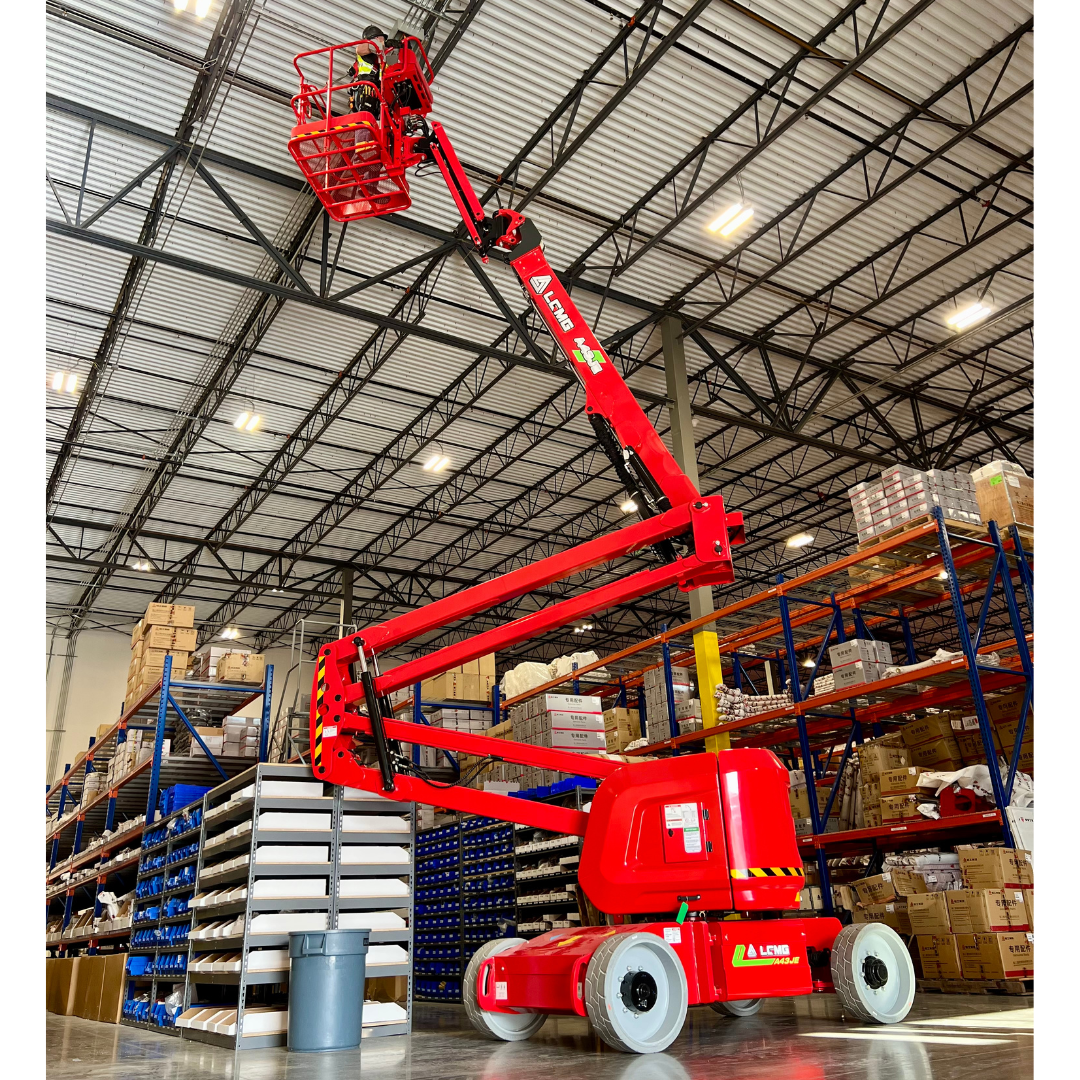
Courtney adds that LGMG equipment is designed with a focus on practical operation, proven performance and simplified serviceability. Across its rough terrain scissor lifts, slab scissor lifts, vertical mast lifts, articulating boom lifts, telescopic boom lifts and telehandler product lines, the company emphasizes intuitive systems and improved service access. This helps reduce technician learning curves, streamline repairs and minimize the amount of time equipment spends out of service.
Long-term performance
One trend we continue to see across the rental industry is equipment remaining on jobsites for longer periods of time and being expected to perform consistently throughout the duration of the project.
While this can create strong utilization opportunities, it also increases the importance of equipment reliability, fleet availability and responsive support when issues arise.
"Long-term fleet performance isn't determined by a single rental or a single service event," Courtney said. "It's the result of consistent equipment performance, effective maintenance practices, technician readiness and having the right support resources available when they're needed. When those elements work together, rental companies are better positioned to maximize utilization and protect the return on their fleet investment."
Strong utilization is closely tied to operational efficiency and long-term financial performance. Equipment that is easier to maintain, supported by accessible training, responsive technical support and readily available parts can help reduce downtime, improve fleet availability and create more predictable operating costs.
Ultimately, protecting utilization comes down to consistency. Rental companies need equipment that is reliable, serviceable and supported throughout its lifecycle. When machines spend more time in the field and less time waiting for repairs, rental companies can improve fleet productivity, increase equipment availability and generate stronger long-term returns.
Recent Posts